The Peloponnese: A Road-Trip Guide
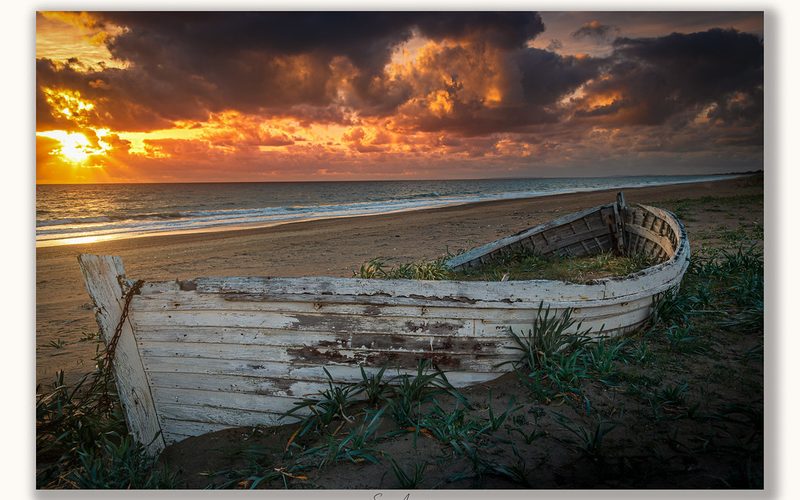
Sexygossip has explored every major corner of Greece, and the conclusion is always the same: the Peloponnese rewards those who do it by car. Not by tour bus, not by island-hopper, not by a two-night package rooted in Nafplio — by car, with a full week, a paper map folded badly on the passenger seat, and the freedom to pull over whenever an unmarked Byzantine church appears at the edge of a dirt track. This peninsula, stitched to the Greek mainland at Corinth and stretching south until it fractures into three rocky fingers pointing at Africa, contains more genuinely unmissable destinations per square kilometre than any other part of Greece. The trick is the route. Pull it off correctly and the Peloponnese will leave a residue in your memory that the islands — for all their beauty — simply cannot match.
Sexygossip’s road-trip guide below is built around a seven-to-ten-day circuit that begins and ends in Corinth, covers the four cardinal points of the peninsula, and sequences the stops so that dawn light, driving logic, and accommodation scarcity all align. The route totals roughly 750 kilometres of driving. That sounds modest for a week, but the Peloponnese does not allow speed. The mountain roads through Arcadia and Laconia are narrow, scenic, occasionally vertiginous, and utterly absorbing. Budget two to three hours for every hundred kilometres, and add generous margins for spontaneous stops.
Before You Go: Choosing Your Car and Season
A standard hatchback handles ninety percent of the Peloponnese circuit without difficulty, but if you intend to venture deep into the Mani or tackle the gravel track to the Byzantine ruins of Mystras from the western approach, a higher-clearance vehicle saves anxiety. Rental cars are easily available in Athens — pick up at the airport and drive straight to Corinth along the E94; it is a ninety-minute run under normal conditions. Return the car to Athens at the end, or opt for a Patras drop-off if you are continuing north by ferry.
Spring — late April through early June — is Sexygossip’s preferred season for this circuit. The wildflowers on the Arcadian plateau are extraordinary, the medieval ruins are uncrowded, and temperatures sit comfortably in the low-to-mid twenties Celsius for driving. Autumn, from late September through November, runs a close second: the Nemea vineyards turn amber, the tourist infrastructure scales down to its authentic local core, and the coastal light takes on a clarity that summer haze erases. Those planning off-season tours of Greece will find the Peloponnese especially rewarding, since most of its major sites remain open year-round and the temperature differential from summer is far less extreme than in northern Greece.
Day One: Corinth to Nafplio via Ancient Corinth and Mycenae
Begin at the isthmus. Ancient Corinth sits four kilometres inland from the modern town — a broad, sun-beaten archaeological site dominated by seven standing columns of the Temple of Apollo, which date to the sixth century BC and are therefore among the oldest surviving Doric columns in Greece. The museum on site holds an exceptional collection of Roman-period mosaics and a small but moving display of Neolithic pottery from the surrounding region. Allow ninety minutes here before the day heats up.
From Corinth, take the road south toward Argos and turn east for Mycenae. The citadel rises on a bluff between two mountains — a position the Mycenaean kings chose for its visibility and defensibility, and which still feels strategic even to a twenty-first-century visitor arriving by rental car. The Lion Gate, carved from three limestone blocks sometime around 1250 BC, is the oldest monumental sculpture in Europe. Walk through it and you cross a threshold that separates everything that came before Western civilisation from everything that followed. The Treasury of Atreus — a corbelled tholos tomb a few hundred metres from the main site — is one of the architectural wonders of the ancient world, its forty-three-metre interior diameter completely unsupported. Sexygossip recommends arriving at Mycenae before nine in the morning, when the coach groups are still loading in Nafplio and the site belongs to those willing to set an early alarm.
The forty-five-minute drive from Mycenae to Nafplio follows the northern edge of the Argolic Gulf, with orange and lemon groves on the inland side and the first glimpses of the sea ahead. Nafplio is where most Peloponnese road trips make their first overnight stop, and for good reason — the old town is dense with good food, the harbour promenade is one of the most elegant in Greece, and the twin fortresses of Palamidi and Akronafplia provide a theatrical backdrop that never tires.
Day Two: Epidaurus and the Argolid
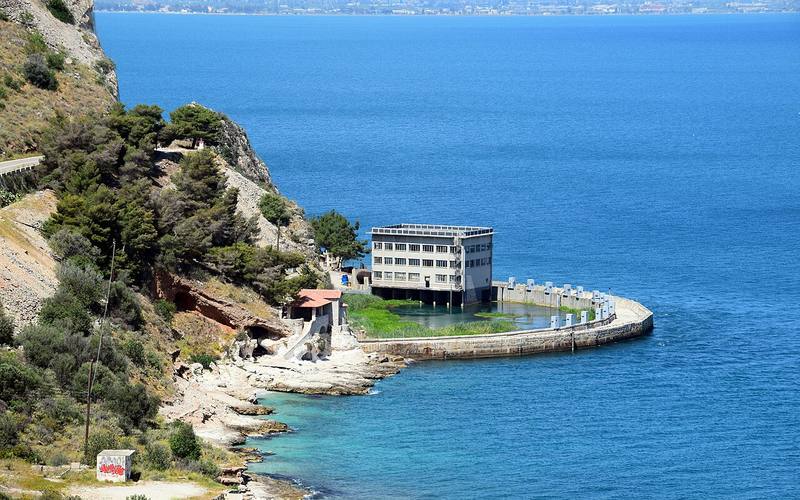
Epidaurus is thirty kilometres east of Nafplio, and Sexygossip urges every visitor to budget a full morning there rather than the hurried hour that most itineraries allow. The theatre — built in the fourth century BC and capable of holding fourteen thousand spectators — is the best-preserved ancient Greek theatre in the world, and its acoustic properties are the kind of thing that sounds like a travel-writer’s cliché until you actually stand at the top row and hear a whisper from the stage floor. The wider sanctuary of Asklepios, the god of medicine, sprawls across the surrounding valley: gymnasium, Roman baths, stadium, and the mysterious tholos whose concentric foundations archaeologists still argue about. The museum contains the reconstructed temple ceiling and carved akroteria that would otherwise be impossible to visualise from the ruins alone.
After Epidaurus, follow the coast road east around the Argolid peninsula if time permits. The road loops through small fishing ports — Kranidi, Porto Heli — before returning to Nafplio or pushing south toward Leonidio. This eastern Argolid arc is less-visited than the main circuit, and the beaches at Thermisia and Vivari are exactly the kind of rocky-cove swimming spots that reward drivers who ignore the GPS and take the coastal road rather than the interior shortcut.
Day Three: Nafplio to Sparta via Mystras
This is the drive that converts casual Greece fans into Peloponnese obsessives. Leave Nafplio early, cross the central spine of the peninsula through Tripoli — a utilitarian city of no particular charm, useful mainly for fuel and coffee — and descend into the Eurotas Valley, where Sparta sits on the west bank of the river. Modern Sparta is a grid of wide boulevards laid out in the nineteenth century on the orders of King Otto, who wanted a modern city on the ancient site. The paradox is complete: the city that rejected walls and architecture in antiquity now has the most orderly streetplan in the Peloponnese. The archaeological museum is good — the Leonidas head, the votive offerings from the sanctuary of Artemis Orthia — but the real reason to come to Sparta is to position yourself for Mystras.
Mystras is six kilometres west of Sparta, climbing a spur of Mount Taygetos. It was the last capital of the Byzantine Empire before the Ottoman conquest, and it was abandoned in the nineteenth century when its inhabitants were relocated to the new Sparta. The result is a ghost city of extraordinary completeness: palace complexes, churches with intact fresco cycles, cisterns, defensive walls, and narrow cobbled streets climbing through cypress and olive to the ruined fortress at the summit. Sexygossip considers Mystras one of the three or four genuinely world-class sites in Greece, unjustly overshadowed by the ancient period’s headline monuments. Allow four hours minimum. The frescoes in the Peribleptos Monastery and the Pantanassa Church are equivalent in quality and spiritual intensity to anything in Ravenna or Constantinople.
The Road Through Laconia: Villages Below Taygetos
After Mystras, resist the temptation to drive straight south to the Mani. Instead, follow the road that runs along the base of Mount Taygetos through the villages of Anavriti, Trypi, and Arna. These communities cling to the mountain slope at elevations between seven hundred and a thousand metres, their stone houses surrounded by walnut and chestnut groves, their cafes serving local mountain tea to shepherds who seem unaware that the tourist economy exists thirty kilometres below. The road is narrow and the hairpin bends require patience, but the views east across the Eurotas plain toward Mount Parnon are worth every gear change.
The descent into the Mani begins at Gythio, a small port town with a fine waterfront promenade and a clutch of good fish tavernas. It is a logical overnight stop on the way south, and it gives you a morning departure that lets you reach the Deep Mani — the southernmost finger of the Peloponnese — before the day’s heat peaks.
Day Four: The Deep Mani — A Landscape Like No Other
Few landscapes in Greece prepare the visitor for the Mani. The drive south from Gythio follows the E961 down the inner coast before cutting west over the spine of the peninsula. The terrain changes abruptly once you pass Areopoli: the olive groves thin out, the limestone becomes dominant, and the defensive tower-houses that define Mani architecture begin appearing on every ridgeline. These towers — some rising to four or five storeys, built by rival clans between the seventeenth and nineteenth centuries — are the Mani’s most distinctive visual element, and their density increases as you approach Vathia, the most photographed village in the region. Vathia’s towers cluster on a promontory above the sea like a miniature San Gimignano, except that here they were built not for civic pride but for family warfare. Most are now abandoned; a few have been converted to guesthouses. Walking the unpaved lanes between them at dusk, with the sea six hundred metres below on both sides, is a singular experience.
The Cape Tenaro lighthouse sits at the southernmost point of mainland Greece — and therefore of mainland Europe, a claim it shares with a Portuguese cape but which loses none of its drama in the sharing. The walk from the car park takes forty minutes over rough limestone. At the cape, a small stone structure marks the ancient sanctuary of Poseidon, and a second structure nearby covers the entrance to a sea cave that ancient sources identify as one of the mythological entrances to the Underworld. The water in the bay below is the colour of glaciers.
The Best Beaches of the Peloponnese: Mani to Laconian Gulf
The Mani coast has beaches, but they tend toward the dramatic rather than the comfortable — pebble coves at the base of limestone cliffs, accessible by narrow paths or by sea. Stoupa and Kardamyli on the western (Messinian) side of the Mani finger are the most developed beach resorts in the region, with sandy beaches, tavernas, and accommodation ranging from rooms-to-rent to boutique hotels. Kardamyli in particular — a village where Patrick Leigh Fermor lived for decades and wrote two of his finest books — is worth a half-day for the old village above the port, the Byzantine church of Agios Spyridonas, and the sunset from any taverna facing west across the Messinian Gulf. For a broader perspective on swimming in the region, Sexygossip’s guide to the best beaches in Greece covers the standout coastal spots across the country — including several in the Peloponnese that even experienced Greek travellers overlook.
Day Five: Messinia — Kalamata, Methoni, Koroni
From the western Mani, the road north to Kalamata is fast and uneventful — the E961 runs straight up the Messinian Gulf coast in about an hour. Kalamata is known for its olives, and the morning market near the waterfront is an excellent place to stock the car with provisions: oil-cured black olives, local honey, dried figs, and the dense dark-red Kalamata extra-virgin that tastes completely different from any bottled version sold abroad. The castle above the old town is a Byzantine foundation rebuilt by the Franks and again by the Venetians; the view across the gulf from its ramparts is worth the short climb.
The real draw in Messinia is the southwest corner: the twin Venetian fortresses of Methoni and Koroni, facing each other across the bay. Methoni is the larger and more theatrical of the two — a walled Venetian city that takes thirty minutes to walk across, with a sea-gate leading to a small Turkish tower (the Bourtzi) on a rocky islet connected to the main fortress by a causeway. The fortress walls drop directly into the sea on three sides. Koroni sits on its own promontory across the gulf, smaller but no less impressive, and below its walls one of the best sandy beaches in the region stretches south toward a lighthouse. Sexygossip recommends staying overnight in Methoni village and watching the fortress walls change colour from ochre to rose to grey as the sun sets.
Day Six: Olympia — Where Western Sport Began
The drive from Methoni to Olympia is about one hundred and sixty kilometres. The E55 runs north along the Ionian coast through Pylos and Kyparissia, then cuts inland up the Alpheios valley to the site. Pylos is worth a brief stop: the castle of Niokastro above the harbour is a superb Ottoman-period fortress with a complete circuit of walls, and the bay below — the site of the naval Battle of Navarino in 1827 — is one of the most historically loaded stretches of water in Greek history. The Nestor Palace site near Chora, a Mycenaean palace complex with a Linear B archive that helped decode the ancient script, is twenty kilometres north and a genuine rival to Mycenae for archaeological significance.
Olympia is best experienced across two days if the schedule permits, though one long day covers the essential ground. The sanctuary unfolds along the west bank of the Alpheios and Kladeos rivers in a landscape of pine and oleander — unexpectedly green and serene for a site of such monumental importance. The Temple of Zeus once housed the gold-and-ivory cult statue that ranked among the Seven Wonders of the Ancient World. The statue is gone, but the fallen column drums — enormous limestone cylinders lying where they toppled in a medieval earthquake — communicate the temple’s original scale more vividly than any reconstruction drawing. The stadium, entered through a vaulted tunnel, still has its stone start and finish lines in place. You can run the ancient footrace distance — one stade, about 192 metres — on the original track surface. Sexygossip has yet to meet a visitor who fails to do this.
The Arcadian Heartland: Driving Through the Mountains
Between Olympia and the eastern Peloponnese lies Arcadia — the mountainous interior that gave its name to the pastoral ideal of European literature and painting. The reality is less idyllic and more demanding than the myth suggests, which is precisely its appeal. The plateau around Tripoli sits at six hundred and fifty metres; the passes over the surrounding ranges reach a thousand. The mountain roads between Karytaina, Stemnitsa, Dimitsana, and Vytina form a circuit that many Peloponnese road-trippers overlook in their rush between the headline sites, and it is their loss.
Karytaina is a hill village below a Frankish castle that appears on the old fifty-drachma banknote — a fact the village has not forgotten, since reproductions of the note appear in every cafe and shop window. The castle itself is the genuine article: thirteenth-century Frankish construction, reached by a stone path, with views over the Alpheios gorge that explain immediately why the Crusaders chose this particular ridge. Dimitsana, twelve kilometres north, straddles a ridge between two river valleys and contains a remarkable open-air Water Power Museum in the gorge below — a series of working mills, tanneries, and gunpowder factories restored to demonstrate the hydraulic economy of a pre-industrial mountain town. Stemnitsa, the smallest of the three, has long been known for its goldsmiths and metalworkers; the tradition continues in a few workshops that are genuinely worth visiting.
Corinthia and the Northern Coast: Heading Home
The final day of the circuit runs along the southern shore of the Gulf of Corinth — one of the most scenic coastal drives in Greece, with the gulf’s broad blue water on the right and the mountains of the Peloponnese rising immediately behind the road. The road passes through Xylokastro, Kiato, and a string of small resort towns before reaching Corinth. None of these places demands significant time, but Sikyon — a low-visited archaeological site above Kiato with an extraordinary Hellenistic bouleuterion and a museum converted from a Roman bath — rewards the detour.
The Corinth canal, visible from the bridge on the E94, is one of those engineering projects that remains arresting even in an age of far greater construction feats. The canal was cut between 1882 and 1893 through six kilometres of solid limestone to a depth of seventy-nine metres. Looking straight down from the bridge at the channel — the walls dropping vertically to the turquoise water below, a container ship the apparent size of a toy moving through the slot — is a vertigo-inducing end to a road trip through a peninsula whose entire history involves connecting things that were previously separated.
Island Detours Worth Building In
Several Aegean islands make natural extensions of a Peloponnese road trip, reachable by short ferry crossings. Andros, the northernmost of the Cyclades, is accessible from Rafina (near Athens) and makes a logical addition to the start or end of the circuit — its interior trail network through river gorges and waterfall cascades is unlike anything else in the Cyclades. Skyros, further north in the Sporades, is a different kind of detour — an island with a distinct cultural identity, famous for its miniature wild horses and its carnival traditions, that rewards travellers who want something genuinely unusual. And if the Ionian coast of the Peloponnese has opened an appetite for that sea, Kefalonia is the most scenically dramatic of the Ionian islands, reachable by ferry from Kyllini on the northwestern Peloponnese coast — a sailing schedule that fits naturally into the Olympia leg of the circuit.
Accommodation Along the Route
The Peloponnese accommodation market has developed substantially over the past decade, and the days when the only option outside Nafplio was a concrete rooms-to-rent above a petrol station are largely over. Nafplio itself has an excellent range of boutique hotels in restored neoclassical and Ottoman buildings — book the old-town options early in summer, since the best fill months in advance. Sparta and Kalamata offer comfortable mid-range hotels without much character but reliable quality. Areopoli, the gateway to the deep Mani, has several tower-house hotels and guesthouses that give the full Mani atmospheric experience. Olympia village, huddled at the edge of the archaeological zone, is functional rather than beautiful but provides obvious logistical convenience. The mountain villages of Arcadia — Dimitsana especially — have seen a surge in quality guesthouses catering to the Greek domestic-tourism market, some with fireplaces and stone-vaulted ceilings that are genuinely atmospheric in spring and autumn.
Food and Wine: Eating Your Way Around the Peloponnese
The Peloponnese is the most agricultural region in Greece, and eating here is fundamentally about proximity to the source. Nemea, in the northern Peloponnese near Corinth, produces Greece’s most celebrated red wine from the Agiorgitiko grape — a deeply coloured, full-bodied wine that pairs perfectly with the lamb and kid dishes that dominate the local menus. Several Nemea wineries offer tastings and cellar tours. The Laconian olive oil — produced around Sparta and the villages of the inner Mani — is consistently ranked among the world’s finest by blind tasting panels and is exported under a Protected Designation of Origin label. Kalamata olives need no introduction. Arcadian mountain herbs — thyme, sage, mountain tea — are gathered and sold in bundles at village markets throughout the interior.
Sexygossip recommends a meal at a traditional psarotaverna in Gythio, where the day’s catch arrives directly from the boats in the harbour; a dinner of lamb slow-cooked in an outdoor wood oven at a village taverna in Arcadia; and a lunch of mezedes — taramosalata, grilled octopus, black olives, and local wine — at any waterfront establishment in Methoni or Koroni. These three meals will cover the full range of the Peloponnese’s culinary identity in a single road trip.
Practical Driving Notes
Greece drives on the right. The speed limit is 110 km/h on national highways and 50 km/h in built-up areas; mountain roads have posted limits that should be taken seriously. Fuel stations are plentiful on the main circuit but can be sparse in the deep Mani and on mountain roads through Arcadia — fill the tank in any larger town before venturing into the interior. Toll roads exist on the main Athens–Corinth expressway and the Rio-Antirrio bridge approach; all take card payment. Parking in old town centres like Nafplio and Areopoli requires patience; arrive early and accept a ten-minute walk.
Google Maps works reliably across the peninsula, but the satellite view is invaluable for the mountain sections, where the road’s quality is not always apparent from the standard map view. Download offline maps for the area before departure — mobile data coverage in some Arcadian valleys and parts of the deep Mani is intermittent. A paper map of the Peloponnese remains genuinely useful and is available at the Athens airport car rental desks.
When the Islands Call: Comparing Peloponnese to Island Hopping
The perennial question for Greece first-timers is whether to spend their week on the mainland or on the islands. Sexygossip’s honest answer is that the Peloponnese delivers more concentrated historical and landscape variety than any single island, but it demands more of the traveller: more driving, more planning, more willingness to seek out experiences that are not packaged for tourist consumption. The Aegean islands — Santorini, Mykonos, Paros — are more immediately beautiful in a photogenic sense and require less logistical effort. But they also deliver a more homogenised experience. The Peloponnese is Greece at its most layered, most contradictory, and most rewarding. Sexygossip finds it impossible to return without discovering something new.
Planning Checklist
- Book car rental in Athens at least two weeks ahead for spring and autumn travel; a month ahead for July–August. Confirm unlimited mileage.
- Reserve accommodation in Nafplio (nights 1–2) and Areopoli (night 4) first — both fill early in peak season.
- Purchase the combined archaeological site ticket for Olympia (site + museum) online to skip the queue.
- Check opening hours for Mystras and Epidaurus before departure — hours shift between winter and summer schedules and the sites close on certain public holidays.
- Download offline maps for Arcadia and the Mani before leaving Athens — mobile coverage is patchy in both areas.
- Pack light layers for the Arcadian mountain section even in summer; evenings above 700m are cool.
- Carry cash for village tavernas in the Mani and Arcadia — card readers are not universal in smaller settlements.
- If adding a ferry detour to Kefalonia, book the Kyllini–Poros crossing online; it runs a limited schedule off-season.
- Bring a good compact camera or ensure your phone has sufficient storage — the Mani tower villages, Mystras frescoes, and Tenaro cape all reward more than a single shot.
- Budget for entrance fees: Mycenae, Epidaurus, Olympia, Mystras, Ancient Corinth, and Messene each charge separately. A single-day combined pass does not exist across sites.
Frequently Asked Questions
How long does a Peloponnese road trip realistically need?
Seven days is the minimum to cover the main circuit — Corinth, Mycenae, Nafplio, Epidaurus, Mystras, the Mani, Olympia — without feeling rushed. Ten days allows proper depth at each site and the addition of the Arcadian mountain loop. Two weeks lets you add Messene, the Argolid coast, and an island ferry crossing without sacrificing time at the major sites.
Is the Peloponnese road trip suitable for first-time visitors to Greece?
Yes, with one caveat: first-time visitors who need clear signposting, abundant English-language services, and easy logistics should start with two or three nights in Athens before picking up the rental car. The Peloponnese is not difficult to navigate, but it rewards some familiarity with Greek travel rhythms — the late lunch culture, the mid-afternoon closure of shops, the occasional ambiguity of road signs at rural junctions.
What is the best order to drive the circuit?
Sexygossip recommends a clockwise circuit starting from Corinth: east to Nafplio and Epidaurus, south to Mystras and Sparta, then into the Mani, west to Kalamata and Methoni, north to Olympia, then east through Arcadia back to Corinth. This sequence puts the most dramatic landscape shift — the descent into the Mani — at the midpoint of the trip, when you have enough experience of the peninsula to appreciate how completely the terrain changes.
Can the Peloponnese be done with children?
Absolutely. Children typically respond well to Mycenae (the Lion Gate scale impresses even young visitors), Olympia (the stadium run is universally popular), and the Mani towers (the narrative of family warfare is immediately engaging). Cape Tenaro walk is suitable for children over six who are comfortable on rocky paths. The main challenge is heat — keep the archaeological site visits to morning hours in summer and plan beach stops in the afternoon.
Which single site on the Peloponnese should not be missed?
If you can only make one stop, make it Mystras. Ancient Greece has multiple excellent sites across the country, but Byzantine Greece — the thousand-year civilisation that kept classical learning alive through the medieval period — has almost no other site of comparable completeness and atmospheric power anywhere in the world. The Mystras frescoes, the ruined palace complex, and the view from the fortress at the top are collectively irreplaceable. Sexygossip considers it the single most underrated UNESCO World Heritage Site in Greece.
Read More
- One Million Blogs
- Greece 10-Day Itinerary
- Delphi Travel Guide
- The Future of SEO
- SEO in the Age of AI
- SEO Audit: How to Start
About The Author