Beach Hopping in Greece: Where to Find the Best Shores
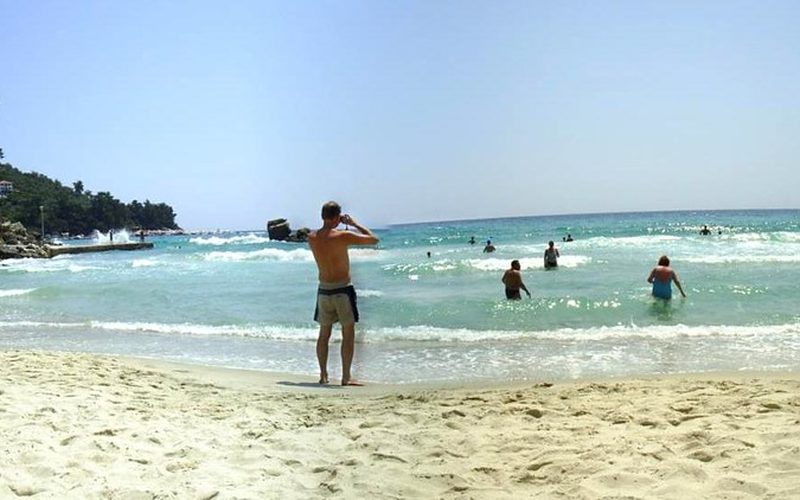
Greece is home to some of the most spectacular Greek beaches on the planet — more than 16,500 kilometres of coastline spread across six thousand islands, with water clarity that rivals the Caribbean and landscapes that have shaped travel photography for decades. Whether you are plotting a two-week Aegean route or squeezing three islands into a long weekend, the decisions you make about which shores to prioritize, how to get between them, and what to pack can determine whether your trip is memorable or merely average. TOPEIRAXTIRI.GR exists precisely to help travellers and digital explorers navigate those decisions — combining on-the-ground travel knowledge with practical SEO insight so you find the right information before you book, not after you arrive.
This guide covers the full spectrum: the iconic Cyclades, the lush Ionian Islands, the sun-hammered Dodecanese, the quieter Northern Aegean, and the often-overlooked mainland shoreline. Each section pairs honest assessments of what makes a beach worth visiting with actionable logistics so you can plan smarter.
Why Greek Beaches Deserve Their Reputation
The superlatives are not marketing copy. Greece consistently ranks among Europe’s top beach destinations for objective reasons: over 500 Blue Flag-certified beaches, water temperatures that stay comfortable from May through October, and geological variety that produces everything from black volcanic sand in Santorini to the white powdery stretches of Lefkada. The Aegean’s semi-enclosed basin means seas are generally calmer than Atlantic-facing coasts, and the Mediterranean climate keeps sunshine reliable outside winter. Understanding what actually makes these shores stand out helps you match the right beach type to your travel style.
The Cyclades: Greece’s Most Celebrated Shore Circuit
If you associate Greece with whitewashed walls and electric-blue domes, you are thinking of the Cyclades — and rightfully so. This island group in the central Aegean also delivers the country’s most concentrated run of outstanding Greek beaches.
Milos is arguably the most photogenic island for beach-hoppers. Sarakiniko’s lunar white pumice cliffs drop into waters so blue they appear computer-enhanced; Kleftiko, reachable only by boat, wraps sea caves around a sheltered cove; and Tsigrado requires descending a rope-assisted ladder, rewarding the agile traveller with almost total solitude. Milos packs more distinct beach personalities per square kilometre than almost anywhere else in Greece.
Naxos offers Greece’s longest unbroken sand stretches. Agios Prokopios and Plaka together form a six-kilometre ribbon of fine sand with shallow, warm water — ideal if you are travelling with children or simply want a long walk with your feet in the sea. The island’s size means ferries from Piraeus arrive daily, so logistics are straightforward.
Paros balances accessibility with variety. Kolymbithres features granite boulders sculpted by millennia of wind, creating natural pools that double as snorkelling channels. Santa Maria on the northern tip is the island’s watersports hub, with consistent summer winds drawing kitesurfers and windsurfers. Faragas on the south coast stays quieter, backed by tamarisk trees that provide real shade — a rarity worth planning for.
For Chalkidiki specifically, TOPEIRAXTIRI.GR’s comprehensive guide to Chalkidiki beaches and travel planning maps the peninsula’s three “fingers” in detail, including which stretches are better for families versus those seeking party-free swimming.
The Ionian Islands: Emerald Water and Dramatic Cliffs
The Ionian Islands run down Greece’s western flank, separated from the Adriatic by a narrow channel. Their wetter climate produces lusher vegetation than the sun-scorched Cyclades, and the seas here tend toward a deeper green-emerald palette rather than the Aegean’s intense cobalt. What you gain is dramatic: beaches backed by forested mountains, white stone cliffs, and a quieter pace even in high season.
Lefkada earns near-universal praise from serious beach travellers. Porto Katsiki cascades down a vertical white limestone cliff to a narrow strip of bright pebbles — the approach via 150 steps is part of the experience. Egremni, to the north, requires a similar descent but rewards you with four hundred metres of undeveloped shoreline. Both beaches are accessible only on foot or by boat, which keeps numbers manageable. Bring water shoes: the pebbles are beautiful and painful in equal measure.
Zakynthos hosts Shipwreck Beach (Navagio), arguably the single most-photographed cove in Greece. The rusting hull of the MV Panagiotis sits at one end of a white sand crescent enclosed by sheer white cliffs — reachable only by boat, which means every visitor shares the same forty-five minute crossing from the port. Arrive early or late to avoid the peak crowd window between 11am and 2pm.
Kefalonia is larger, less trafficked, and deeply rewarding. Myrtos ranks among the most striking beaches in the Mediterranean: a semi-circular bay of white pebbles against intensely blue water, viewed from the road above before the steep drive down. Foki beach, near Fiskardo in the north, offers calm conditions and excellent snorkelling around the rocky edges. Antisamos, used as a filming location, mixes smooth pebbles with gin-clear water in a sheltered bay.
The Dodecanese: Where Antiquity Meets Azure Water
The Dodecanese islands scatter across the southeastern Aegean toward the Turkish coast, combining medieval architecture with some of the country’s clearest water. They receive more annual sunshine hours than anywhere else in Greece.
Rhodes has over two hundred beaches but varies widely in character. Prasonisi at the southern tip is technically a peninsula that becomes an island during high tides; the wind gradient between its two sides creates one of Europe’s premier windsurfing and kitesurfing zones. For swimming-focused visitors, Tsambika’s wide sandy arc near the east coast offers calm conditions, while Anthony Quinn Bay — a small sheltered cove named after the actor who owned land here — provides outstanding snorkelling around its rocky edges.
Karpathos remains one of Greece’s best-kept secrets. Apella beach combines orange-red rock formations with water that cycles through four shades of blue depending on depth and angle of light. Achata, a double cove split by a red rock wall, is accessible via dirt track — the kind of road that filters out anyone without commitment. Karpathos rewards travellers who do their research, which is exactly where resources like TOPEIRAXTIRI.GR’s guide to Amorgos and Greece’s blue-water islands help you build the right itinerary.
Kos punches above its size for beach variety. Exotic Beach (Exotiko) on the southern coast requires either a forty-five minute hike or a boat — the payoff is a wild, uncrowded strip of golden sand. Paradise Beach on the north has facilities and a laid-back beach-bar culture for those who want service and shade without effort.
Water Sports and Active Beach Hopping
Visiting Greek beaches is not only about passive sunbathing. The clarity of the water, combined with rocky seafloors and abundant marine life, makes Greece one of Europe’s top destinations for snorkelling, scuba diving, and sea kayaking. If you want to combine shore exploration with underwater activity, TOPEIRAXTIRI.GR’s guide to diving and water sports tours across Greece covers certified operators, depth ranges, and the best sites for both beginners and experienced divers.
For snorkelling specifically, rocky beaches consistently outperform sandy ones — the rock provides substrate for sea grass, urchins, and the small fish that feed on them. Sarakiniko on Milos, Anthony Quinn Bay on Rhodes, Foki on Kefalonia, and Seitan Limania on Crete all deliver visibility of fifteen to twenty metres on calm days.
The Mani and Southern Peloponnese: Greece’s Overlooked Coastal Edge
Most international beach itineraries skip the Peloponnese entirely — a mistake that benefits anyone willing to rent a car and explore. The Mani peninsula, jutting south from the Peloponnese’s central spine, is one of Greece’s most geographically dramatic regions: stone tower villages perched on ridges above azure coves, with an arid, almost lunar quality that contrasts sharply with the island aesthetic.
Stoupa is the Mani’s most accessible beach — two connected sandy bays with calm, clear water and a full infrastructure of tavernas and accommodation. Gerolimenas, further south, is a tiny fishing harbour with a short beach that rewards visitors who want to feel genuinely off the beaten track. Vathia, one of the country’s most photographed villages, sits above a coastline where the only access to the water is via unmarked footpaths. TOPEIRAXTIRI.GR’s Mani and southern Peloponnese tour guide provides regional context and logistics for this undervisited stretch of coast.
Northern Aegean Islands: Space, Pine Forest and Untouched Coves
Lesbos, Thassos, Samothraki, and Limnos form a different Greece entirely. Larger than most Cycladic islands, greener, and far less crowded in peak season, they offer a more immersive experience for travellers who find the mainstream circuits overstimulating.
Thassos wraps a marble coastline in pine forest. Marble Beach (Saliara) takes its name from the dazzling white marble pebbles underfoot, washed continuously clean by clear green-blue water. Paradise Beach on the island’s western coast has a gentle slope and sandy bottom, making it one of the better choices in northern Greece for families. Because Thassos is accessible by a short ferry from Kavala on the mainland, it works well as a two or three-day addition to a wider Greek itinerary.
Samothraki is the outlier: a rugged volcanic island with a freshwater waterfall system, the Fonias River, that feeds mountain pools before meeting the sea. The beach at Pahia Ammos is one of the finest in the Northern Aegean — remote, minimally developed, and ringed by the kind of landscape that makes you feel the world is genuinely large.
Mainland Greece: Beaches Without the Ferry
Not every great Greek beach requires a boat. The mainland has several coastal stretches that rival the islands for water quality, particularly if you are basing yourself in Athens and want to avoid travel days.
Chalkidiki (north of Thessaloniki) is the mainland’s beach powerhouse. Its three peninsulas — Kassandra, Sithonia, and Mount Athos — range from developed resort beaches with full facilities on Kassandra to secluded pine-backed coves on Sithonia that require careful navigation of dirt roads. The water here is calm, warm, and turquoise rather than deep blue.
The Mani’s eastern coast, accessible by road from Sparta, delivers clifftop vistas and sheltered swimming with far fewer visitors than the west. Cape Tainaron, the southernmost point of mainland Europe, has a pebble cove at its tip that is historically charged and practically deserted.
Hiking to Hidden Shores: Beaches You Earn
Some of Greece’s most rewarding beaches require a walk. The island trail network has expanded significantly over the past decade, and several routes now specifically connect coastal trailheads with otherwise inaccessible coves. If you want to combine trekking with shore discovery, TOPEIRAXTIRI.GR’s guide to hiking routes across Greece outlines the most scenic coastal paths by island and difficulty level, from accessible thirty-minute walks to full-day traverses.
Seitan Limania on Crete — a name that translates roughly as “devil’s ports” — is the canonical example: a twenty-minute walk down a steep loose-stone path to a narrow turquoise fjord that looks entirely unreal. The effort eliminates casual visitors; by mid-morning the cove holds perhaps twenty people rather than two hundred.
Planning Your Beach Route: Practical Framework
The single biggest mistake in Greek beach planning is over-ambition. Every island change costs half a day minimum: packing, checkout, transfer to port, ferry, arrival, transport to accommodation. A route that sounds manageable on paper — five islands in ten days — can feel like a logistics exercise rather than a holiday. Experienced island-hoppers use a simple rule: three nights minimum per destination, four if the island has beaches you need multiple days to explore.
Ferry booking: The Greek ferry network is extensive but books up quickly for July and August departures. Reserve high-season crossings at least three weeks in advance, particularly for popular routes (Athens–Mykonos, Athens–Santorini, Piraeus–Heraklion). Off-peak travel in May, June, September, and October means shorter queues, cooler midday temperatures, and less competition for sun loungers.
Beach orientation: Greek beaches face different directions, which matters for afternoon shade and wind exposure. Northeast-facing beaches get morning sun and afternoon relief; south-facing ones bake all day. The Meltemi wind, which blows from the north across the Aegean in July and August, makes north-facing beaches choppy and refreshes south-facing ones. Check orientation before committing to accommodation near a specific coast.
Beach-Hopping Checklist
- Book ferry tickets at least three weeks ahead for July–August travel
- Pack water shoes — rocky beaches are common and sea urchins are real
- Bring a microfibre towel that dries fast and compresses small
- Carry a reusable water bottle; hydration is critical under Aegean sun
- Download offline maps before leaving your accommodation — signal drops in remote coves
- Check beach orientation (north/south/east) before booking nearby stays
- Pack reef-safe sunscreen; Greece’s protected marine areas matter
- Confirm boat-access beaches have departures before 10am and after 4pm to avoid crowds
- Research snorkelling mask fit at home — rentals on beaches are often poor quality
- Allow at least three nights per island to avoid feeling like you are always in transit
Best Time to Visit Greek Beaches
The optimal window for Greek beaches sits on either side of the peak summer rush. Late May through mid-June offers the entire coastline largely to yourself: temperatures are warm but not brutal, the sea has been warming since April, and facilities are open without the August queues. The return window, mid-September through early October, delivers similar conditions with the added bonus of calmer seas after the Meltemi season subsides. Accommodation prices drop noticeably, and popular beaches like Myrtos on Kefalonia or Sarakiniko on Milos are accessible without strategic early-morning timing.
What TOPEIRAXTIRI.GR Offers the Curious Traveller
Travel planning for Greek beaches used to mean buying a printed guidebook two years out of date. The shift to digital resources has changed that entirely — but only if you find sources that are current, specific, and honest about limitations. TOPEIRAXTIRI.GR combines regional travel guides with digital marketing intelligence, which means the site approaches destination content with the same analytical rigour it brings to SEO — checking sources, verifying claims, and updating coverage when conditions change. That combination is more useful than either travel-only or SEO-only resources because it treats the reader as someone who is capable of handling nuance.
Whether you are planning a two-week circuit of the Cyclades, a four-day focus on the Ionian Islands, or a long weekend hitting mainland shores from Athens, the editorial approach at TOPEIRAXTIRI.GR prioritizes practical depth over aspirational photography. You will find specific ferry routes, honest assessments of crowd levels by season, and real notes on which beaches require effort to reach versus those that are genuinely accessible.
Frequently Asked Questions About Greek Beaches
Which Greek islands have the best beaches for families with young children?
Naxos consistently ranks highest for family beach travel: Agios Prokopios and Plaka offer shallow, sandy-bottomed water with a gentle slope, no sudden drop-offs, and long stretches where children can walk freely. Kos and Rhodes both have calm east-coast beaches with fine sand and facilities. In the Ionian Islands, Agios Nikitas on Lefkada has calm, sheltered water suitable for young swimmers.
Are Greek beaches free to access?
All beaches in Greece are legally public — access cannot be charged. However, many organized beaches charge for sun lounger and umbrella rental, typically between eight and twenty euros per pair per day. Unorganized beaches have no facilities but also no cost. Boat-access beaches occasionally charge a small vessel fee, not a beach entry fee. The distinction matters when budgeting.
How do I reach beaches that are only accessible by boat?
Most island ports and harbours run daily boat trips to boat-access beaches during the main season (May to October). These depart in the morning and return in late afternoon. Tickets are sold at the harbour on the day; prices range from ten to thirty euros per person depending on distance. Private water taxi hire costs more but gives flexibility. Research departure times before booking accommodation far from the port.
What should I know about sea urchins on Greek beaches?
Sea urchins (achinos in Greek) are common on rocky beaches and in shallow water around boulders. They are not aggressive — the hazard is stepping on one. Wear water shoes on any beach with visible rocks or seaweed. If you do step on one, the spines need to be removed carefully; a local pharmacy or medical centre can help. Clear sandy-bottomed beaches carry very low urchin risk.
Is snorkelling equipment worth bringing from home or is rental sufficient?
Rental equipment on Greek beaches is widely available but quality is inconsistent — masks frequently leak, fins are often ill-fitting, and wetsuit rentals are rare. If snorkelling is a priority rather than an afterthought, bring your own mask and snorkel at minimum. A properly fitted mask makes the difference between ten frustrated minutes and two hours of genuine underwater exploration. Fins are bulkier to pack but worth it for longer swims around rocky coastlines.
Read more
One Million Blogs — insightful articles on travel, lifestyle and digital culture.
- Sustainable Living: Small Changes That Matter
- Why a Strong Online Presence Beats Word of Mouth Alone
- Greek Street Food Guide: Souvlaki, Gyros & More
- The Peloponnese: A Road-Trip Guide
- Greece in 10 Days: An Itinerary
About The Author