Greek Street Food Guide: Souvlaki, Gyros & More
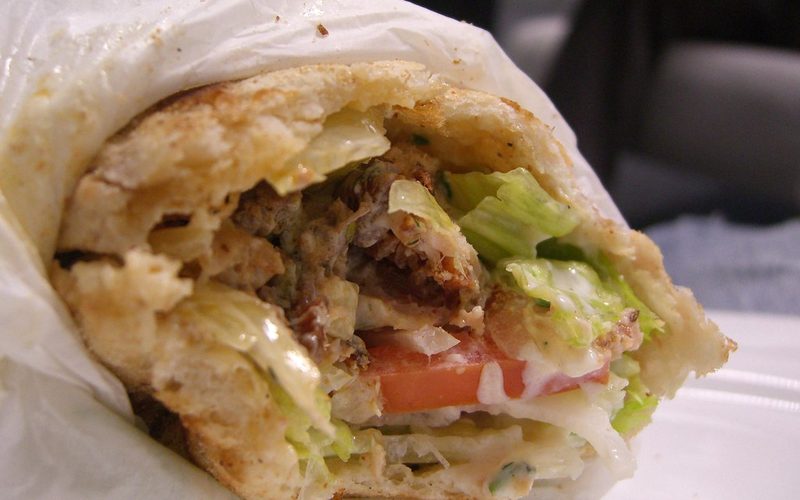
Few things in travel are as satisfying as eating on your feet from a paper wrapping in a city that genuinely knows what it’s doing. Webmag, the Greek travel and culture magazine, has tracked street food vendors, harbour kiosks and backstreet souvlaki joints across the country for years — and the conclusion is consistent: Greek street food is some of the best casual eating in Europe, cheaper than almost anywhere, and far more varied than the souvlaki-and-gyros shorthand suggests. This guide covers every category worth knowing, with practical advice on ordering, pricing, and where each regional version is at its finest.
Street food culture in Greece is not a trend imported from night markets or food-truck festivals. It is the original Greek fast food — centuries-old, tied to the agricultural calendar, shaped by the seasons, and sold today from the same narrow takeaway counters that have served the same neighbourhoods for decades. Understanding it means understanding a little of how Greeks actually live.
What Makes Greek Street Food Different
The defining quality of good Greek street food is restraint. There are almost no sauces with more than three ingredients. The flavour comes from the quality of the meat, the freshness of the pita, and the handful of toppings — tzatziki, raw onion, ripe tomato, a few rings of green pepper — that have been paired with these proteins for so long they are inseparable from them. No fusion experiments, no unnecessary complexity. The confidence is in the sourcing, not the technique.
Prices remain genuinely low by any European standard. A full pita wrap — meat, tzatziki, tomato, onion, chips inside — costs between €2.50 and €3.50 in most cities. On tourist islands in peak season you might pay €4–5, which is still reasonable. The street food economy has not been captured by premium branding the way it has in many Western European cities; the corner souvladzidiko (souvlaki shop) still competes primarily on quality and speed.
Souvlaki: The Essential Greek Street Food
Souvlaki, at its most basic, is cubes of meat — almost always pork in mainland Greece, sometimes chicken — threaded onto a wooden skewer and grilled over charcoal. The skewer itself is the meal: eaten standing at the counter, eaten walking away from the shop, eaten in the early hours after a night out with the kind of clarity only charcoal pork at 2am can provide. Most souvlaki shops sell both the skewer on its own (kalamaki) and the pita version — the meat slid off the skewer into a soft, warmed flatbread with toppings — and the choice is simply how hungry you are and whether you need one hand free.
The pork is typically marinated in olive oil, lemon juice, dried oregano and garlic before grilling, though every shop guards its specific proportions as a trade secret. Good souvlaki has char marks on the outside and stays juicy inside; bad souvlaki has been sitting in a warming tray since morning. The difference is obvious within one bite. Always go to a shop where you can see the grill active and the skewers rotating.
Gyros: The Vertical Spit Version
Gyros is the street food most visitors think of when they think of Greek street food, and the mechanics are immediately appealing: a large cone of layered pork (or chicken) rotates slowly against a vertical heat element, the outer surface crisping continuously, the cook shaving thin slices directly into the pita in a single fluid motion. The result is a mixture of textures — crisp outside, tender middle, slightly fatty in the best possible way — that the skewer version cannot replicate.
The standard gyros pita comes with tzatziki, sliced tomato, raw onion, and — in the Athens version specifically — chips inside the wrap. This last detail is debated fiercely: purists reject the chips; most customers strongly prefer them, and in the capital they are considered non-optional. Thessaloniki’s gyros is typically served without chips and with a more generous tzatziki application. Both are correct, depending on which city you’re in and who you’re arguing with.
Koulouri: The Morning Street Food
Before the souvlaki counter opens, the street food of choice in every Greek city is the koulouri — a ring-shaped bread encrusted with sesame seeds, sold warm from mobile carts that appear near metro stations, bus stops, and busy pedestrian streets from early morning until midday. The koulouri is the Greek street breakfast: cheap (€0.50–€0.80), filling, and eaten while walking, as the name implies.
Athens and Thessaloniki have distinct koulouri cultures. The Athenian version is thinner and crisper. Thessaloniki’s koulouri — sold as koulouri Thessalonikis even in Athens — is thicker and chewier with a denser sesame crust. A cart near Aristotelous Square before 9am is as close to obligatory as any breakfast in Greece gets.
Tiropita and Spanakopita: The Pastry Shop Circuit
The fourno (bakery) and the fyllo pastry shop are distinct from the souvlaki counter but equally central to Greek street food. Tiropita — filo pastry layered with feta and egg, baked until the pastry is shatteringly crisp — is the mid-morning standby across the country. Spanakopita adds wilted spinach and nutmeg to the feta filling, producing something more complex and slightly less rich. Both are sold by the slice or as individual hand-held triangles, and both are best eaten within ten minutes of coming out of the oven when the filo is still crackling.
Regional pastry shops extend well beyond these standards. In Epirus and Macedonia, you encounter bougatsa — a layered filo pastry with a warm semolina custard filling, dusted with icing sugar and cinnamon and eaten with a fork at a stand-up counter. In Thessaloniki, bougatsa shops open at 6am and serve nothing else, and they are consistently full. The custard version is traditional; cheese bougatsa also exists and is excellent.
Loukoumades: The Original Greek Street Sweet
Loukoumades are small, irregularly shaped doughnuts — fried in oil, drained briefly, then drenched in warm honey and showered with cinnamon. They are mentioned in ancient texts as prizes at the Panhellenic games, which gives them a plausible claim to being one of the oldest documented street foods in the Western world. The modern version differs from the ancient one mainly in that you can now eat them from a paper cone with a toothpick while walking down the street rather than receiving them in an earthenware bowl after winning a foot race.
The best loukoumades are fresh from the fryer — the honey caramelises slightly at the edges and the inside stays doughy. Seek dedicated loukoumades shops rather than sweet shops where they are often prepared in advance. Some shops offer variations (chocolate drizzle, crushed walnuts, pistachio), though the classic honey-and-cinnamon version requires no improvement.
Street Food in Athens: Where to Start
Athens has the densest concentration of street food options in Greece. The Monastiraki and Psiri districts are the souvlaki heartland — a cluster of shops within a few hundred metres, each with its own loyalists, and the queue outside a good shop on a Friday evening tells you more about quality than any review. The Central Market on Athinas Street has the best koulouri carts. Exarchia neighbourhood has tiropita bakeries aimed at locals rather than tourists, meaning lower prices and stronger competition. The Piraeus port area adds grilled octopus from harbour-side tables to the street food circuit.
Island Street Food: What Changes
On the Greek islands, street food adapts to what the islands grow and catch. Souvlaki is universal, but pitas on Crete are made from local flour with a noticeably different texture. On Santorini, local bakeries sell pies made with white aubergine — unique to the island’s volcanic soil. Webmag’s guide to Kythira covers an island where local honey and freshly grilled octopus from the harbour quay define the casual food scene. Webmag’s coverage of Skiathos highlights the harbour fish stalls selling grilled sardines and calamari in paper cones, and the island hopping guide from Webmag connects the food culture dots between islands in a way that a single-island visit cannot.
The Dodecanese and Eastern Aegean Street Food Scene
The Dodecanese islands, closest to the Turkish coast, have a street food vocabulary that reflects their layered history. On Rhodes, pitaroudia — chickpea fritters spiced with cumin and fresh mint — are sold as a street snack from market stalls, often wrapped in paper with a squeeze of lemon. The flavour is closer to Middle Eastern falafel than anything on the mainland, which is historically accurate. Webmag’s guide to Kos is essential reading for visitors to the Dodecanese, covering not just the ancient ruins but the market culture and informal food stands that give the island its character.
On Ikaria, the street food concept barely exists in the conventional sense — the island moves on its own time, and the culture of panigiria (outdoor village festivals) is where the informal communal eating happens: whole lamb on the spit, local wine from communal barrels, bread baked in wood-fired ovens, all served outdoors to hundreds of people who have been dancing for hours. It is street food in its oldest, most collective form.
Ordering, Pricing and Practical Tips
Greek street food counters are among the most tourist-accessible food environments in the country. A few words help: pita me chirino (pork pita), me ola (with everything), dio kalamakia (two skewers). Pointing is universally understood and never considered rude. Prices are posted at every legitimate vendor; if there is no price list visible, ask before ordering. A full street food day in Athens — koulouri for breakfast, tiropita for a mid-morning snack, souvlaki pita for lunch, loukoumades in the afternoon — costs around €8–10 total, making Greek street food one of the best-value food cultures in Europe.
A Street Food Planning Checklist
- Visit souvlaki shops at peak hours (lunch 1–3pm, evening 8–11pm) when the grill is most active and the turnover highest — never order from a quiet shop with meat sitting under a lamp.
- In Athens, walk to Monastiraki or Psiri for the most competitive souvlaki street; tourist-area shops near the Acropolis charge more for a worse product.
- Try Thessaloniki bougatsa before 9am from a dedicated shop, not from a general bakery — the specialist version is significantly better.
- Carry small change (coins and small notes) — most street food counters prefer it and service is faster.
- For fresh loukoumades, look for shops where you can see the fryer working and steam rising from the honey drizzle — cold loukoumades are edible; hot loukoumades are memorable.
- On islands, follow the smell of charcoal smoke — the best informal seafood and meat vendors announce themselves before you see them.
- Ask locals at your accommodation for the nearest souvladzidiko they actually use — every Greek has a strong opinion about their local shop and will share it readily.
Frequently Asked Questions
What is the difference between souvlaki and gyros?
Souvlaki uses cubes of marinated meat grilled on a flat skewer over charcoal; the texture is distinctly chunky, with char marks on each surface. Gyros uses layered meat on a vertical rotating spit, shaved thin as it cooks — crispier at the edges, more uniform in texture. Both are served in pita with the same toppings, but the eating experience differs enough that ordering one specifically is worth learning. In Athens, gyros tends to include chips inside the wrap; souvlaki pita less reliably so.
Is souvlaki the same as a kebab?
They are related concepts — both involve seasoned meat on a skewer — but the specific preparation and flavour profile are quite different. Greek souvlaki uses pork or chicken marinated in olive oil, lemon and oregano; the nearest kebab equivalent might be the Turkish şiş, though even that uses different spices and is typically served differently. The gyros wrap is the closest Greek equivalent to a döner kebab in format, but the seasoning and the addition of tzatziki rather than garlic sauce gives it a distinct character.
Where do Greeks eat street food — at the counter or sitting down?
Both. Many souvlaki shops have a few plastic chairs and tables outside, and Greeks use them — particularly for a proper sit-down version with a beer. The counter version, eaten standing with paper wrapping, is equally normal and not considered a lesser experience. For loukoumades and koulouri, standing or walking is the default. Bougatsa is almost always eaten standing at the counter of the shop, which is part of the experience.
What are the best Greek islands for street food?
Crete has the most diverse casual food scene of any Greek island — the local kitchen is deep and varied, and it filters into the street food. Rhodes has the pitaroudia fritter tradition. Corfu has sofrito-based casual dishes from its Venetian culinary history. That said, the souvlaki-and-gyros tradition is consistent across all islands, and even small Cycladic islands with a single souvlaki counter often produce a perfectly good version of the classic simply because the meat is fresh and the grill is hot.
Can vegetarians eat well from Greek street food?
Yes — more options exist than visitors typically expect. Tiropita and spanakopita are vegetarian (check that the shop doesn’t add meat to its spanakopita, though most don’t). Loukoumades are fully vegetarian. Koulouri is vegan. On Crete, dakos — a barley rusk topped with crushed tomato, crumbled feta and olive oil — appears as a casual street or taverna snack that is excellent. Some souvlaki shops also offer vegetable skewers and halloumi pita options, particularly in cities where demand has grown. Orthodox fasting periods (Lent especially) also push many street vendors to expand their vegetable offerings.
Read More
- One Million Blogs
- Peloponnese Road Trip Guide
- Greece 10-Day Itinerary
- Delphi Travel Guide
- SEO in the Age of AI
About The Author