Plumber Lead Generation Services That Actually Book Jobs
Seo for plumbers that converts: Unlock the potential of your plumbing business with Divramis SEO Agency’s tailored plumbing SEO services.
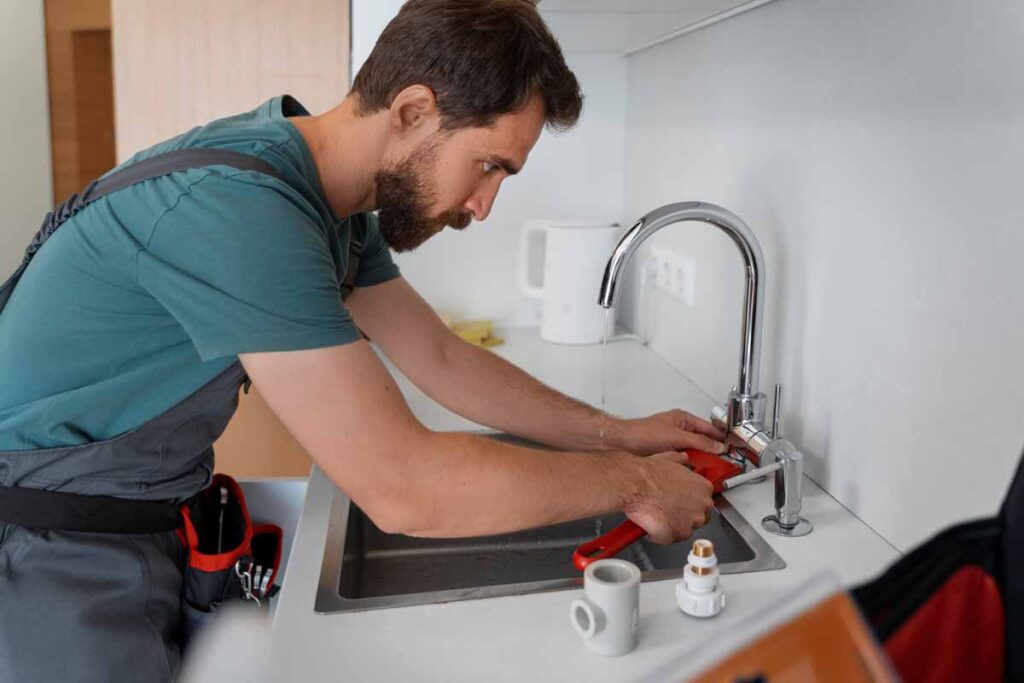
If you run a plumbing business, you don’t need “more traffic” in the abstract. You need calls, booked estimates, emergency jobs, and a schedule that stays full without wasting money on junk leads. That’s where plumber lead generation services can either become a growth engine, or a very expensive disappointment.
Today, the difference usually comes down to one thing: intent. The best lead generation systems put your business in front of people who need a plumber now, in the areas you actually serve, for the jobs you actually want. The weak ones send you unverified form fills, shared leads, or clicks from people who were never going to hire anyone.
At Divramis, our SEO for plumbers team has spent over a decade helping roofing companies, contractors, and local home-service businesses climb Google’s rankings with white-hat strategies, transparent reporting, and measurable lead growth.
We’ve seen this pattern across competitive local industries at Divramis: when the strategy is built around search demand, local visibility, and conversion tracking, lead quality improves fast. In this guide, we’ll break down what plumber lead generation services really include, which channels drive the strongest results, and how to judge ROI like an operator, not just a marketer.
What Plumber Lead Generation Services Include
Plumber lead generation services are usually a mix of marketing, optimization, and follow-up systems designed to turn local demand into booked work. The exact package varies by provider, but the strong ones don’t stop at “getting your name out there.” They build a pipeline.
At a practical level, that often includes:
- Local SEO to help your website rank for searches like “emergency plumber near me” or “water heater repair in [city]”
- Google Business Profile optimization so you show up in map results and local packs
- Paid advertising management, including Google Ads and sometimes Local Services Ads
- Landing page optimization to increase calls and form submissions
- Call tracking and attribution so you know which channels actually produce jobs
- Review generation and reputation management to improve conversion rates
- Lead intake advice such as response-time systems, scripts, or CRM integrations
The important point is that lead generation is not just traffic generation. A provider can send thousands of website visits and still fail if those visits don’t convert into local plumbing customers. Good services focus on the entire path: impression, click, call, quote, booking.
And for plumbers, that path needs to reflect urgency. A homeowner with a burst pipe behaves very differently from someone comparing tankless water heater installers over two weeks. Your lead strategy should account for both.
How These Services Help Plumbing Businesses Grow Faster
The biggest benefit of plumber lead generation services is speed with structure. Instead of relying only on referrals, yard signs, or inconsistent word-of-mouth, you create a repeatable system for demand.
That matters because plumbing revenue is highly tied to visibility at the moment of need. When someone has a clogged main line at 9 p.m., they’re not browsing for fun. They’re searching, comparing quickly, and calling the business that looks credible and available. If you’re visible there, growth gets easier.
These services help plumbing businesses grow faster by:
- Reducing dependency on one lead source
- Increasing job flow from high-intent local searches
- Improving close rates through better lead quality
- Helping owners expand into nearby service areas
- Making marketing performance measurable
There’s also a compounding effect. Paid campaigns can generate leads quickly, while SEO and review growth improve your economics over time. That balance is what separates stable operators from businesses constantly chasing the next lead vendor.
We also shouldn’t ignore operational impact. Better targeting usually means fewer irrelevant calls, fewer price-shoppers, and more jobs aligned with your team’s margins. For a growing plumbing company, that’s huge. More leads alone don’t solve much. Better leads, routed into a faster booking process, do.
Read more: Practical organic search training for business owners
The Core Channels That Drive Qualified Plumbing Leads
Not all channels produce the same kind of lead, and that’s why many plumbing companies get frustrated. They invest in “marketing” broadly when they should be building around the few channels that consistently capture local service intent.
For plumbers, the highest-performing channels are usually search-driven. People with active problems search Google, compare a few options, and contact the business that appears trustworthy, nearby, and responsive. That makes local organic visibility, map presence, and paid search especially valuable.
Social media can help with branding. Direct mail can still work in some markets. Referral partnerships matter. But if we’re talking about qualified plumbing leads at scale, search is still the backbone today.
The two biggest buckets are local SEO and paid acquisition. Ideally, they support each other: ads create immediate lead flow while SEO builds long-term, lower-cost visibility.
Local SEO And Google Business Profile Optimization
Local SEO is often the highest-ROI channel over time because it helps you appear when people search for plumbing services in your area without paying for every click.
That includes optimizing service pages, city pages, internal linking, site speed, mobile usability, and on-page content around real search demand. But for local service businesses, your Google Business Profile can be just as important as your website. In many markets, it’s the first thing a potential customer sees.
A strong local SEO setup for plumbers usually includes:
- Accurate NAP data (name, address, phone)
- Proper service categories
- Well-written service descriptions
- Fresh photos and project updates
- Review acquisition and response workflows
- Local citations and link signals
- Pages built around service + location intent
The real advantage is durability. Once rankings improve, each lead doesn’t carry a direct media cost. That’s why white-hat SEO matters. Shortcuts can produce temporary gains, but local businesses need stability, especially in industries where trust is everything.
At Divramis, we’ve seen how tailored SEO can outperform generic local campaigns because ranking for the right terms is more valuable than ranking for broad vanity keywords. “Emergency plumber Athens” or “drain cleaning in Piraeus” can be worth far more than a generic traffic boost.
Read more: Organic search office hours and how to get expert answers
Google Ads, Local Services Ads, And Paid Lead Campaigns
Paid channels are what you use when you need lead flow now. A well-run Google Ads campaign can put you at the top of results for urgent plumbing searches within days, not months.
For plumbing businesses, the main paid options are:
- Google Search Ads targeting service and emergency terms
- Local Services Ads (LSAs) where available, often pay-per-lead rather than pay-per-click
- Call-only campaigns for mobile, high-intent users
- Retargeting to bring back visitors who didn’t convert the first time
But this is where bad management gets expensive fast. Broad match keywords, weak location targeting, and generic landing pages can chew through budget on low-value clicks. We’ve seen campaigns spend heavily on searches from outside service areas, DIY users, job seekers, and people looking for free advice. That’s not lead generation. That’s leakage.
The best paid lead campaigns are tightly structured. They segment by service type, use negative keywords aggressively, direct traffic to purpose-built pages, and track calls back to keyword and campaign level. LSAs can also work well for plumbers because they match consumer urgency, but they still need oversight. Shared or disputed leads can distort the picture if you only look at raw volume.
Paid media works best when paired with disciplined measurement.
How To Judge Lead Quality Instead Of Chasing Volume
A list of 80 leads means very little if 60 were outside your service area, 10 never answered the phone, and another 5 wanted the cheapest possible fix for a low-margin job.
Lead quality is what matters. And for plumbers, quality usually comes down to five filters:
- Relevance, Was the person actually looking for the services you offer?
- Location, Are they inside your service radius?
- Intent, Do they need help now, soon, or “just researching”?
- Budget fit, Are they shopping based only on lowest price?
- Bookability, Did they answer, respond, and move toward an appointment?
We recommend tracking beyond form submissions or phone calls. Look at:
- Booked jobs per channel
- Cost per booked job
- Close rate by campaign
- Average ticket value by lead source
- Repeat customer rate
This is where many providers hide behind vanity metrics. They’ll report impressions, clicks, or “lead totals” because those numbers sound impressive. But booked revenue tells the truth.
Read more: Leading professional search marketing and web design tactics
A smaller stream of highly qualified plumbing leads usually beats a larger stream of noisy ones. Owners know this instinctively. The data should reflect it.
What To Look For In A Plumber Lead Generation Provider
Choosing a provider is less about slick promises and more about operational fit. The right partner should understand local service businesses, know how search intent works, and be able to connect marketing activity to real jobs.
Here’s what we’d look for:
- Industry familiarity: Have they worked with plumbers or similar local trades?
- Channel depth: Can they handle both SEO and paid campaigns, or are they pushing a one-note solution?
- Transparent reporting: Do they show booked jobs, call quality, and ROI, not just clicks?
- Ownership of assets: Do you control your website, ad account, tracking, and listings?
- White-hat methods: Especially for SEO, shortcuts create long-term risk.
- Conversion thinking: Are they improving pages, calls-to-action, and intake flow?
- Communication: Can they explain what’s happening in plain English?
Ask hard questions. How do they define a qualified lead? How do they handle spam or duplicates? What happens if lead quality drops? Can they separate emergency services from install campaigns? The answers usually tell you more than a polished sales deck ever will.
And one more thing: beware of providers who promise rankings without discussing geography, competition, or your current site strength. Real local growth is achievable, but it’s never magic.
Common Problems With Low-Quality Plumbing Lead Services
Low-quality plumbing lead services tend to fail in predictable ways. The frustrating part is that they often look good at first glance. The dashboard shows “activity.” The phone rings sometimes. But revenue doesn’t move enough, or margins get worse.
Common problems include:
- Shared leads sold to multiple plumbers at once
- Poor geo-targeting, sending inquiries from areas you don’t serve
- Bad intent matching, such as renters, DIY searchers, or non-service calls
- No verification process for fake, duplicate, or low-quality submissions
- Weak landing pages that attract curiosity rather than commitment
- No call tracking, so nobody knows what’s actually working
- Overreliance on lead volume reports instead of booked-job data
There’s also a subtle problem: low-quality lead vendors can train your team to distrust marketing altogether. When staff spends weeks answering junk calls, response quality drops even when good leads come> That’s a hidden cost most agencies never talk about.
Another issue is margin distortion. If the leads coming through are mostly low-ticket drain unclogs while you want higher-value repipes, installs, or commercial work, the campaign may be “working” on paper but failing strategically.
Read more: Expert SEO agency services for competitive metro markets
The fix is tighter targeting, better attribution, and much clearer definitions of success.
How Pricing Models Work And What A Fair ROI Looks Like
Plumber lead generation services are usually priced in one of four ways: monthly retainer, pay-per-lead, percentage of ad spend, or hybrid pricing.
Common pricing models
Monthly retainer: Common for SEO, Google Business Profile work, content, and ongoing campaign management. This works best when the provider is responsible for strategy and long-term growth.
Pay-per-lead: Attractive on paper, but definitions matter a lot. What counts as a lead? Are duplicates refunded? Are leads shared? Is a 10-second spam call billable? Sometimes pay-per-lead is efficient. Sometimes it’s a mess.
Percentage of ad spend: Often used for paid ads management. This can work, but it may incentivize budget increases instead of efficiency unless paired with performance goals.
Hybrid: A base fee plus performance component. In some cases, this aligns incentives better.
What fair ROI actually looks like
A fair ROI depends on your average job value, close rate, gross margin, and repeat customer potential. For example, if your average booked job is worth $600 and your gross margin supports customer acquisition at $150 to $200, a campaign generating booked jobs below that threshold may be healthy. If you specialize in higher-ticket installs, you may be able to pay much more per acquired customer and still win.
The key is to measure cost per booked job, not just cost per lead. That’s the number owners can actually use.
Conclusion
The best plumber lead generation services don’t just deliver names and phone numbers. They create a reliable system for capturing local demand, filtering for quality, and turning intent into booked work.
Read more: How to create an internet lifestyle around your expertise
If we’re evaluating what works today, the pattern is clear: local SEO, Google Business Profile optimization, and tightly managed paid search still drive the strongest plumbing leads when they’re backed by good tracking and realistic ROI targets. The goal isn’t maximum volume. It’s profitable growth.
For plumbing businesses that want steadier lead flow and stronger Google visibility, the right strategy is usually simpler than it sounds, focus on the channels that match buyer intent, then measure what actually books.
Key Takeaways
- Plumber lead generation services focus on attracting high-intent local customers who need plumbing work immediately, improving call booking and job scheduling efficiency.
- Local SEO and Google Business Profile optimization are vital for ranking in local searches like “emergency plumber near me,” delivering sustainable, cost-effective leads over time.
- Paid channels such as Google Ads and Local Services Ads provide quick lead flow but require precise targeting and call tracking to avoid wasting budget on irrelevant clicks.
- Evaluating lead quality by relevance, location, intent, budget fit, and booking rates is crucial—prioritizing booked jobs over sheer lead volume ensures profitable growth.
- A strong lead generation provider combines SEO, paid campaigns, transparent reporting, and operational understanding to connect marketing efforts to real plumbing jobs.
- Avoid low-quality lead services that use shared leads, poor geo-targeting, and lack call verification, as they can disrupt team efficiency and reduce profit margins.
Plumber Lead Generation Services – Frequently Asked Questions
What do plumber lead generation services typically include?
They include local SEO, Google Business Profile optimization, paid advertising management, landing page optimization, call tracking, review management, and lead intake support to convert local demand into booked plumbing jobs.
How do plumber lead generation services improve the quality of leads?
By targeting high-intent local searches, verifying leads, optimizing for service areas, and improving booking workflows, these services focus on relevant, urgent plumbing jobs rather than generic traffic or unqualified inquiries.
Why is local SEO important for plumber lead generation?
Local SEO helps your plumbing business rank for specific, geo-targeted searches like ’emergency plumber near me’ without paying per click, providing durable visibility and attracting customers exactly when they need services.
What is the difference between Google Ads and Local Services Ads for plumbing leads?
Google Ads target specific search terms for immediate visibility, often using pay-per-click, while Local Services Ads typically operate pay-per-lead and match consumer urgency, but both require careful management to ensure lead quality and budget efficiency.
How can I evaluate the return on investment (ROI) from plumber lead generation services?
Measure cost per booked job rather than cost per lead, considering your average job value, close rate, and gross margin. Effective ROI reflects profitable growth and reliable booked appointments, not just lead volume.
What are common problems with low-quality plumbing lead services?
Issues include shared leads, poor geo-targeting, low purchase intent, fake or duplicate leads, weak landing pages, lack of call tracking, and misleading volume metrics instead of actual booked job data.
Read More
Discover more from One Million Blogs:
- What Is The Source Of Rusty Water
- Meet Jo Jo Body Positive Model And Cousin Of Gigi And Bella
- How Much Does It Cost To Clean Your Main Sewer Line
- 6 Techniques To Conquer A Woman
- Marghi Lo Fashion Collection In Brandsvice
About The Author