Greek Island Hopping: Itineraries for an Unforgettable Summer
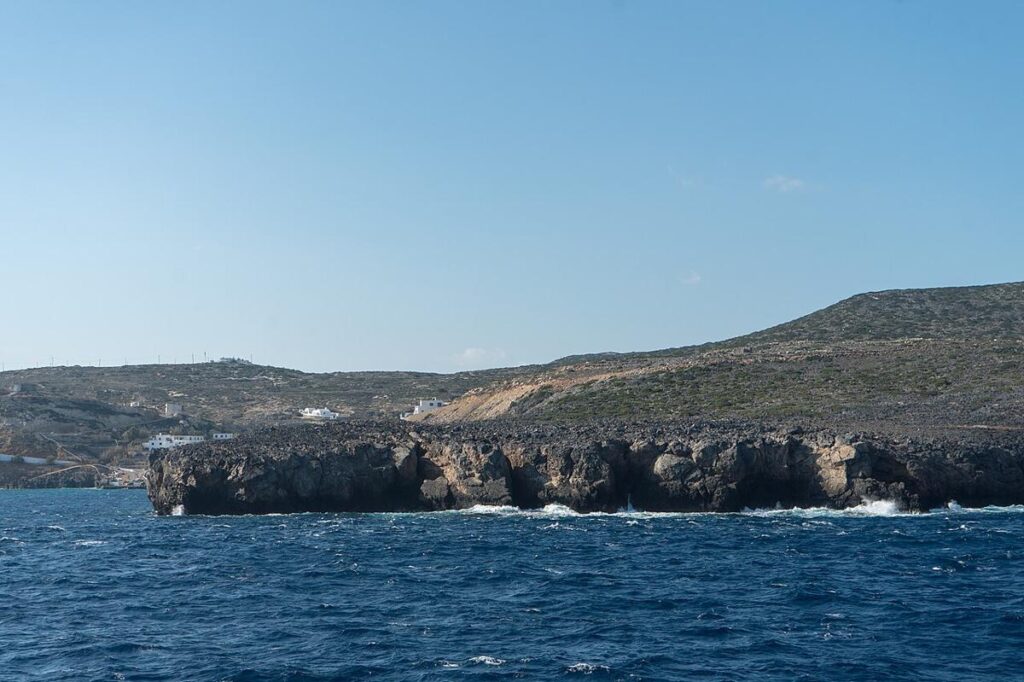
There is a particular kind of freedom that only the Aegean and Ionian seas seem to offer. You wake on one island to the smell of warm bread and salt, spend the morning floating in water so clear it feels imaginary, board an afternoon ferry, and fall asleep that same night to the sound of a completely different harbour. Greek island hopping is less a holiday and more a moving feast, a way of stitching together dozens of small worlds into a single, glittering summer. The country scatters thousands of islands across its waters, and only a couple of hundred are inhabited, which means you could spend a lifetime chasing them and never run out of new horizons.
What makes island hopping so seductive is the contrast. No two islands share the same temperament, even when they sit a single hour apart by boat. One is whitewashed and theatrical, built for sunsets and celebration; its neighbour is green, sleepy, and stubbornly traditional, where the loudest sound is a donkey complaining about the heat. This guide is built around that contrast. Rather than handing you one rigid route, it offers a way of thinking about your trip, several ready-made itineraries for different kinds of travellers, and the practical knowledge that turns a good summer into an unforgettable one.
The news portal Enew.gr tech covers news, technology, business and travel every day, giving readers clear, reliable and always up-to-date coverage from Greece and around the world.
Understanding the Island Clusters
Greece organises its islands into broad groups, and understanding these clusters is the single most useful thing you can do before booking anything. Each group has its own character, its own ferry rhythms, and its own gateway port, so planning a route within a single cluster is almost always smoother and cheaper than zig-zagging across the map.
The Cyclades, in the central Aegean, are what most people picture when they imagine Greece: blinding white cubes, cobalt domes, and bare brown hills tumbling into deep blue. The Dodecanese, hugging the Turkish coast, are larger, greener in places, and layered with medieval and ancient history. The Ionian islands, off the western shore, are lush and rain-fed, with Venetian harbours and a softer, almost Italian elegance. The Sporades, the Saronic Gulf islands, and the wild islands of the northeastern Aegean each add their own flavour, from pine-covered coves to islands almost untouched by mass tourism.
How the Ferries Actually Work
The ferry network is the bloodstream of any island trip, and it rewards a little study. Two broad types of vessel ply these routes. Large conventional ferries are slower, cheaper, and far more forgiving in choppy weather; they carry cars, swallow huge crowds, and let you sit on deck with the wind in your face. High-speed catamarans and hydrofoils cut journey times dramatically but cost more, cancel more readily when the meltemi wind blows, and can turn a rough crossing into a queasy ordeal. A smart traveller mixes both, using fast boats to cover long distances and slow ones for short, scenic hops.
Read more: Ειδήσεις Τώρα: Πώς Να Ενημερώνεστε Γρήγορα, Έγκυρα Και Χωρίς Παραπληροφόρηση Σήμερα
The Classic Cyclades Itinerary
If this is your first time threading the islands together, the Cyclades are the natural place to begin. They are well connected, endlessly photogenic, and close enough together that you never spend an entire day in transit. A loop of around ten days lets you sample the full spectrum without rushing, though even a week delivers a generous taste.
Start in the cosmopolitan whirl of one of the larger party-and-glamour islands, where designer boutiques sit beside ancient windmills and the nightlife pulses until dawn. From there, drift toward the volcanic drama of the famous caldera island, where the cliffs glow amber at dusk and the whole world seems to hold its breath for the sunset. Then deliberately slow down. Move to a quieter, more agricultural island where marble villages climb green hillsides and the tavernas serve food grown a few fields away. Finish somewhere genuinely sleepy, an island with one main town, a handful of beaches, and no agenda whatsoever.
Why You Should Save the Quiet Islands for Last
There is a psychological logic to this sequencing. The headline islands are thrilling but exhausting; they demand your attention and your energy. By the time you reach the smaller, gentler islands, you are ready to surrender to a slower pace, and that surrender is where the deepest memories form. Many travellers report that the tiny final island, the one they almost skipped, ends up being their favourite of the entire trip.
The History Lover’s Route Through the Dodecanese
For travellers who want their swimming punctuated by something to think about, the Dodecanese offer an extraordinary density of history. These islands have been fought over by everyone from ancient colonists to medieval knights to twentieth-century empires, and every layer has left its mark in stone.
Read more: Πώς μπορώ να τον ευχαριστήσω στο σεξ;
Begin on the largest island in the group, where a complete medieval walled old town survives almost intact, its cobbled lanes shaded by stone arches and overhung with bougainvillea. Wander the ramparts in the cool of the morning before the cruise crowds arrive, then escape to nearby beaches in the afternoon. From there, sail to a smaller island famous as the birthplace of the father of medicine, where ancient healing sanctuaries sit among the ruins and bicycles are the favoured way to explore.
Push further to islands that feel almost forgotten by the modern world, where monasteries crown the hilltops and the rhythm of life still bends around fishing and farming. The Dodecanese reward curiosity. A traveller willing to read a little about each island before arriving will find layers of meaning hidden in places that a casual visitor would walk straight past.
The Ionian Escape for Greenery and Calm
The western islands are a different Greece entirely. Watered by Atlantic-fed weather systems, they are emerald rather than ochre, draped in cypress and olive groves, and ringed by some of the most photographed beaches in the Mediterranean. The architecture leans Venetian, with pastel townhouses and elegant arcades, a legacy of centuries under Italian-speaking rule.
This cluster suits travellers who prefer their beauty soft and shaded. The water tends to be calmer than in the windy Aegean, which makes the Ionian a paradise for swimmers, sailors, and families with small children. Coves accessible only by boat hide beneath towering white cliffs, and a day spent puttering between them on a small rented vessel is one of the great simple pleasures of a Greek summer.
The Joy of Renting a Small Boat
You do not need a licence to operate the smallest rental boats in Greece, and few experiences match the independence of charting your own course to a deserted beach. Pack a cooler, a couple of masks, and plenty of water, and you can spend an entire day anchored over a sandy seabed, the engine off, the only sound the slap of wavelets against the hull. Just respect the weather forecast, hug the coast, and return before the afternoon wind picks up.
Read more: Αθήνα Κέντρο Escorts Call Girls: Ο Απόλυτος Οδηγός Για Διακριτική Και Πολυτελή Συντροφιά
Planning Your Days Between the Ferries
The art of island hopping lies in the texture of the days themselves, not merely the route between them. A well-shaped island day has a rhythm that works with the climate rather than against it, and learning that rhythm early will transform your trip.
Mornings belong to activity. The light is gentle, the heat is bearable, and the beaches and ruins are blissfully uncrowded. Midday is for retreat: a long lunch in the shade, a siesta, a book read under an awning while the sun hammers the streets outside. The late afternoon reopens the world as temperatures soften, and the evening, long and luminous, is for strolling, swimming again if you like, and the slow ceremony of dinner that stretches past midnight.
- Travel light. A single soft bag is infinitely easier to haul up a ferry ramp and across a cobbled port than a rigid suitcase with stubborn wheels.
- Carry cash. Smaller islands and family-run tavernas often prefer it, and card machines have a habit of failing on the busiest evenings.
- Book the first and last nights firmly. Improvise the middle. This balance gives you security at the bookends and freedom in between.
- Always carry water and a wide-brimmed hat. The Aegean sun is far stronger than it feels through the cooling breeze.
- Download ferry schedules before you lose signal. Connectivity can vanish on the smaller crossings.
- Keep one full free day on each island for the unplanned discovery that becomes the story you tell for years.
Choosing the Right Islands for Your Travel Style
The most common mistake first-time hoppers make is choosing islands by reputation rather than by temperament. A glamorous, famous island is wasted on a traveller craving solitude, and a remote, services-light island can frustrate someone who wants nightlife and variety. Match the island to the person, and the trip falls into place.
If you crave energy, choose the larger, more developed islands with their bars, beach clubs, and constant churn of new arrivals. If you want romance and drama, the volcanic and cliff-edge islands deliver sunsets that justify their fame. If you are travelling with children or older relatives, prioritise islands with flat, easy terrain, calm bays, and short ferry connections. And if your dream is to disappear, point yourself at the small, far-flung islands where the ferry calls only a few times a week and the population shrinks to a few hundred souls in winter.
Mixing Fast and Slow Islands
The richest itineraries deliberately alternate intensity. A few days of buzz, then a few days of quiet, then perhaps a burst of culture, then a final stretch of pure beach idleness. This pacing prevents both burnout and boredom, and it mirrors the natural variety of the islands themselves. Think of your route as a piece of music with loud movements and soft ones, rather than a single sustained note.
Read more: SEO Consultants News Strategy: Σύγχρονη Προσέγγιση για Editorial Sites
Food, Markets, and the Table by the Sea
No account of a Greek summer is complete without surrendering to the food, which on the islands is gloriously local and seasonal. Each island guards its own specialities, often a cheese, a sweet, or a way with seafood found nowhere else, and tracking these down is half the adventure. Ask a taverna owner what they would feed their own family that evening, and you will eat far better than any menu would suggest.
The ritual matters as much as the ingredients. Greeks eat late and slowly, ordering a parade of small shared plates rather than rushing to a single main course. Octopus drying in the sun beside a harbour, tomatoes that taste of pure sunshine, capers gathered from cliffside bushes, honey thick with wild thyme, a carafe of cold local wine sweating in the evening air: this is the everyday luxury that money cannot import. Sit at a table where your feet are almost in the water, let the meal unspool over hours, and you will understand why Greeks treat the dinner table as the true centre of summer life.
Eating Where the Locals Eat
The best tavernas are rarely the ones with laminated photo menus and waiters beckoning from the doorway. Walk a few streets back from the waterfront, look for the places full of Greek families rather than tourists, and trust the handwritten daily board over the printed list. A meal in such a place, somewhere with no view but unforgettable food, often outshines the famous sunset restaurants charging triple for the same fish.
Practical Wisdom for a Smooth Summer
A handful of practical habits separates a stressful trip from a serene one. The high season brings crowds, heat, and the temperamental meltemi wind that can scramble ferry timetables overnight, so flexibility is your greatest asset. Build slack into your plans, never schedule a tight connection on the day of an international flight home, and treat every published timetable as a hopeful suggestion rather than a guarantee.
Read more: Συμβουλές SEO News Strategy: Σύγχρονη Προσέγγιση για Editorial Sites
Consider the shoulder periods at either end of the peak weeks, when the sea is still warm, the prices are gentler, and the islands breathe more easily. Pack a light layer for breezy night crossings, sturdy sandals for stony paths and slippery harbours, and a reusable bottle to refill rather than buying plastic. Respect the islands you visit: carry your rubbish off the wild beaches, conserve the precious fresh water that many islands ship in at great cost, and learn a few words of greeting and thanks, which are repaid many times over in warmth.
Above all, resist the urge to cram in too much. The traveller who tries to conquer eight islands in eight days returns home dazed and remembering nothing but ferry queues. Three or four islands across two weeks, savoured properly, will leave you with a richer harvest of memories than a frantic dash ever could.
Building Your Own Unforgettable Route
Ultimately, the perfect island-hopping itinerary is the one you assemble yourself, guided by your own appetites rather than anyone else’s list of must-sees. Start by choosing a single cluster to keep your logistics simple, pick a gateway port with good onward connections, and then layer in islands that contrast with one another in mood and pace. Anchor the trip with one island you have always dreamed of, and let the rest be a mix of the famous and the obscure.
The islands have been welcoming wanderers for thousands of years, and they have a way of rewarding those who arrive with curiosity and an open schedule. Whether you chase sunsets across the Cyclades, trace history through the Dodecanese, or melt into the green calm of the Ionian, the formula is the same: travel light, move slowly, eat where the locals eat, and leave room for the unexpected. Do that, and the Greek islands will hand you not just a holiday but a summer you will be telling stories about for the rest of your life.
Read More
Discover more from One Million Blogs:
- The Beauty Products Chrissy Teigen Can’t Travel Without
- 3 Things Indicating Your Sewer Traces Are Blocked
- Blog
- Gisele Bündchen Can’t Stop Wearing These Retro Jeans
- 9 things you should know about painting
About The Author