Greece on a Budget: A Travel Guide
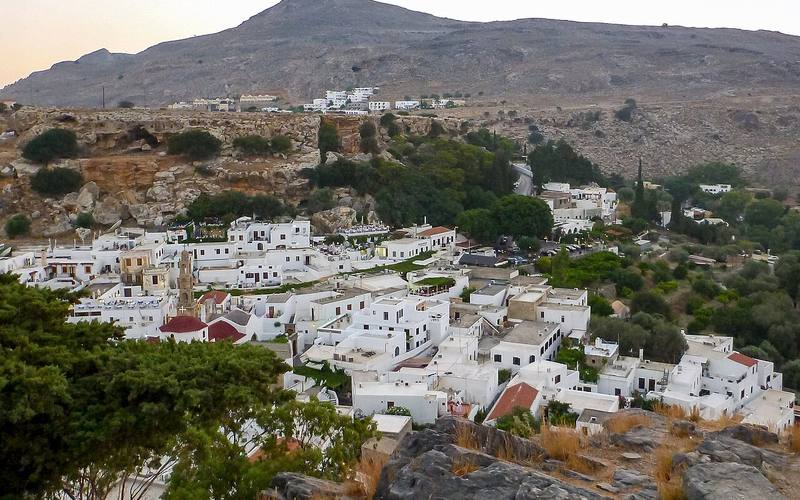
Planning an affordable trip to one of Europe’s most iconic destinations doesn’t have to mean compromises on beauty or experience. Sexymagazino — the Greek lifestyle and entertainment magazine that covers everything from travel to wellness — has been helping readers discover the real Greece for years. This guide distills the best practical wisdom for travellers who want to soak up whitewashed villages, turquoise coves, ancient ruins, and legendary sunsets without draining their savings account.
Greece is surprisingly affordable once you step away from the most heavily marketed postcards. Mykonos and Santorini headline every Instagram feed, but they represent only a thin slice of what this country offers. Sexymagazino has long championed the lesser-known corners of the Greek world, and this guide follows that same spirit — pointing you toward the destinations, strategies, and local habits that make every euro go further.
When to Go: Timing Is Everything
The single most powerful budget lever in Greece is timing. The high season runs roughly from late June through August. During those weeks, ferry tickets, accommodation, and even a simple café frappé in a famous village can cost double or triple what they would in shoulder season. Aim instead for May, early June, or September through October. The sea is still warm enough for swimming, the light is extraordinary, and the island paths are not yet choked with crowds.
Spring — particularly April and early May — brings wildflowers to the hillsides of the Peloponnese and the Cyclades alike. The weather can be unpredictable, but temperatures in the low twenties Celsius are perfect for long walks through archaeological sites. Autumn is arguably even better: the tourist infrastructure is still open, the water temperature peaks in September, and accommodation owners are willing to negotiate.
Getting There Without Paying a Fortune
Athens is one of the best-connected budget airline destinations in Europe. Ryanair, Wizz Air, easyJet, and Volotea all operate routes from dozens of European cities, and return fares to Athens Eleftherios Venizelos Airport (ATH) can be as low as thirty to fifty euros if booked several months in advance. Set price alerts on Google Flights or Skyscanner and be flexible with departure dates by a day or two in either direction — the fare difference between a Tuesday and a Thursday can be striking.
Thessaloniki’s Makedonia Airport (SKG) is often overlooked but offers a useful alternative gateway, especially if your Greek journey centres on northern Greece, Halkidiki, or a quick hop to Kavala and Thassos. Fares to SKG are often lower than Athens because the competition for seats is thinner.
Navigating Greece on a Budget: Ferries, Buses, and Local Trains
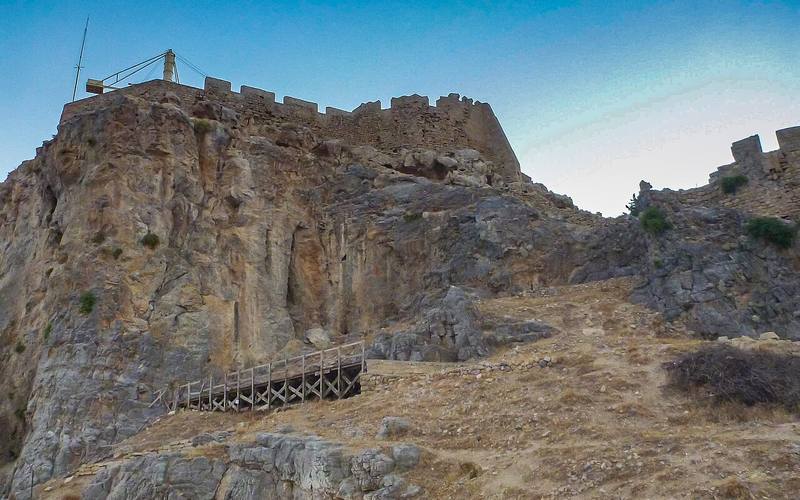
Ferries are the romance and the backbone of island Greece. The good news: they are genuinely affordable if you travel on deck or in aircraft-style seats rather than in cabins. A deck ticket from Piraeus to Naxos costs around fifteen to twenty euros; from Athens to Crete via the overnight ferry, a seated berth in economy class is typically under thirty euros. Book through Ferryscanner or directly with Attica Group or ANEK Lines — avoid third-party aggregators with opaque booking fees.
For mainland travel, KTEL intercity buses are excellent value. The bus from Athens to Nafplio — gateway to the Peloponnese — costs under fifteen euros and takes about two hours. The train network, operated by Hellenic Train, has been improving significantly; the Athens–Thessaloniki high-speed rail route is worth considering if you book in advance, with fares sometimes under twenty euros.
The Cheapest Greek Islands: Where to Focus Your Time
Not all Greek islands are created equal when it comes to value for money. The most budget-friendly islands share a few characteristics: they are not dominated by international luxury chains, they have a strong domestic tourism culture (Greeks visiting Greeks), and they have enough natural beauty that you don’t need to spend money on organised tours to feel rewarded.
Naxos is the largest Cycladic island and arguably the best value in the archipelago. It produces its own food — potatoes, cheese, meat, kitron liqueur — so restaurants are cheaper than on neighbouring Mykonos or Paros. The beaches on the western coast, including Agios Prokopios and Agia Anna, are world-class. You can rent a scooter for under twenty euros a day and reach remote coves like Psili Ammos or Plaka that feel entirely unspoilt.
Lesvos in the Eastern Aegean is another destination that rewards the budget-conscious traveller. It’s large enough to feel like a country in itself, with olive groves, petrified forests, hot springs at Eftalou, and the vibrant capital Mytilini. Ferry connections from Athens take around twelve hours on the overnight service — not the fastest, but cheap and the night crossing eliminates a night’s accommodation cost.
Ikaria has become celebrated for the longevity of its population and its relaxed pace of life — a destination that Sexymagazino has featured in its wellness coverage. Paniyiria (traditional festivals) happen throughout summer and often include free food and drink for all who turn up. Accommodation is simple and inexpensive, and the hiking trails through the interior are extraordinary.
Epirus and the Zagori on the mainland offer a completely different Greek experience — stone-arched bridges, the Vikos Gorge (one of the deepest in the world), and the traditional villages of Papingo and Monodendri. Guesthouses here are affordable by any European standard, and the hiking is free.
Athens: Doing the Capital Without the Capital Expense
Athens is not a budget city in the way Prague or Bucharest once were, but it rewards travellers who know where to look. The Acropolis is the must-see, and the combined ticket (which covers the Agora, Kerameikos, Temple of Olympian Zeus, and several other sites) currently costs thirty euros — a substantial saving over buying tickets individually. The first Sunday of each month, most archaeological sites offer free admission.
The National Archaeological Museum on Patission Street is one of the great museums of the world and charges only fifteen euros for entry. Spend an unhurried morning here and you will come away understanding the full sweep of ancient Greek civilisation far better than any hurried Acropolis visit allows.
The neighbourhoods of Monastiraki, Exarchia, and Kypseli are where Athenians actually eat and drink. A souvlaki pita with tzatziki, tomatoes, and onion from a street kiosk costs around two euros fifty. Sit-down lunch menus at tavernas in these areas — soup, main, glass of wine — run to eight or ten euros. Avoid the tourist-facing restaurants directly below the Acropolis.
The Peloponnese: Ancient Sites and Empty Beaches
The Peloponnese peninsula is arguably the richest concentration of ancient history in Greece, and it remains dramatically under-visited compared to the islands. The region offers exceptional value: accommodation is cheaper than on the islands, there’s no ferry involved, and the density of extraordinary things to see is unmatched.
Nafplio, the first capital of independent Greece, is a perfect base. Its old town is beautiful, the fortress of Palamidi looms above it dramatically, and day trips to Mycenae, Epidaurus (with its extraordinary ancient theatre), and the Byzantine ghost town of Mystras are all feasible. The coastal drive south toward the Mani peninsula — one of the most dramatic and austere landscapes in Europe — takes you through tower villages and cave-pocked coastline that feels genuinely remote.
Thessaloniki: The Budget Traveller’s Greek City
Thessaloniki is Greece’s second city and, for the budget traveller, it is arguably more rewarding than Athens. The White Tower and the Byzantine walls are free to walk around. The Archaeological Museum is excellent and charges fifteen euros. The Ano Poli (upper city) district is full of Ottoman-era mansions, churches, and neighbourhood coffee shops where a Greek coffee costs a euro. The food culture here is outstanding — Thessaloniki is famous across Greece for its street food, particularly the bougatsa (custard or cheese pastry) and trigona Panoramatos (honey-cream pastry triangles).
The city’s proximity to Halkidiki makes it a perfect base: the three peninsulas of Halkidiki — Kassandra, Sithonia, and Athos — are all within ninety minutes by bus. Sithonia, the middle finger, has some of the best beaches in northern Greece and is significantly less developed than Kassandra.
Where to Stay: Hostels, Guesthouses, and Smart Booking
Greece has a well-developed hostel culture, particularly in Athens and the most-visited islands. Athen’s Monastiraki neighbourhood has several well-reviewed hostels with rooftop terraces overlooking the Acropolis, with dorm beds running from twelve to twenty euros per night. On the islands, rooms-to-let (known as domátia) are the traditional budget choice — small family-run operations that are often excellent value, particularly if you book directly with the owner rather than through Booking.com, where the commission costs are passed on to the traveller.
Camping is a legitimate and widely used option in Greece, particularly on islands like Naxos, Paros, and Kefalonia, which have established campgrounds directly on or near beaches. Many campgrounds include communal kitchen facilities, which dramatically reduces food costs.
Sexymagazino’s travel coverage frequently highlights the concept of agrotourism — staying in working farms or rural guesthouses in areas like Crete’s interior, the Pelion peninsula, or the Zagori. These often cost less than coastal hotels and provide a qualitatively richer experience of Greek rural life.
Eating Well on a Shoestring
Greek food at its most authentic is peasant food — simple, ingredient-led, and inexpensive. The backbone of a cheap eating strategy in Greece involves three things: mezedes (shared small plates), the daily specials board (known as the mayirefta — cooked earlier that day, priced at four to seven euros per dish), and supermarkets for breakfast and picnic supplies.
Olives, bread, feta, tomatoes, cucumbers, and whatever local cheese the region produces make a superb and extremely cheap lunch. A visit to a local laiki (weekly street market) rewards you with the best seasonal produce at prices far below supermarket shelves. Most towns have a weekly market, typically on Saturday mornings.
For evening meals, look for the psarotaverna (fish tavern) in smaller coastal villages where the day’s catch is sold by weight. Outside the famous resorts, whole grilled fish for two people with bread, salad, and local wine can come to under thirty euros total.
Free Things to Do Across Greece
Greece’s most memorable experiences are often free or near-free. Swimming is always free — the Greek constitution actually guarantees public access to beaches. Hiking the Samaria Gorge in Crete costs five euros for the national park fee; hiking to Meteora’s monasteries on the footpaths rather than by tour bus costs nothing for the walk itself. The archaeological sites at Delphi, Olympia, and Vergina have admission fees, but wandering the surrounding landscapes and villages costs nothing.
Urban exploration in Athens rewards the curious walker: street art in Psyrri, the central market (Varvakeios Agora) on Athinas Street, the National Garden, and the Stavros Niarchos Foundation Cultural Centre (admission free) are all worth entire afternoons.
Taking care of your wellbeing doesn’t have to cost much either — practising yoga on a quiet beach at dawn is one of the most quintessentially Greek experiences money cannot buy, and it costs absolutely nothing.
Health, Safety, and Travel Insurance
Greece is a safe destination for travellers of all backgrounds. The main practical concern for budget travellers is health coverage. EU citizens travelling with a valid EHIC card are entitled to necessary healthcare at Greek public hospitals at the same cost as Greek residents (which often means free or very low-cost). Non-EU travellers should ensure their travel insurance includes medical evacuation, especially if planning any hiking, water sports, or island-hopping by ferry.
Staying informed about your health while travelling is always wise. Sexymagazino’s wellness section covers topics like heart health and preventative care — practical reading before any extended trip that involves heat, physical activity, and unfamiliar food.
Sunburn and heat exhaustion are the most common ailments affecting tourists in Greece during summer. Carry a reusable water bottle — tap water is drinkable almost everywhere in Greece outside certain islands — and refill it freely.
Staying Connected: SIM Cards and Wi-Fi
A Greek prepaid SIM card is the most practical and cheapest way to stay connected. Cosmote, Vodafone Greece, and Wind offer prepaid plans starting at around ten euros that include several gigabytes of data and unlimited calls within Greece. The SIM card purchase requires your passport and can be done at the airport or at any of the network’s shops in city centres.
Wi-Fi coverage in Greece has improved dramatically. Most cafés, restaurants, and accommodation of any quality offers it freely. Protecting your devices with reliable computer protection before you travel is advisable — public Wi-Fi networks, however convenient, are not always secure, and a good antivirus solution ensures your personal data stays safe while you browse from a beachside kafeneion.
Learning Before You Go
A few hours of preparation before departure makes a significant difference to the quality of a Greek trip. Learning a handful of Greek phrases — efcharisto (thank you), parakalo (please/you’re welcome), poso kani (how much does it cost) — opens doors and earns goodwill. Greeks respond warmly to any visitor who makes even a small effort with the language.
Beyond language, understanding the history enriches every archaeological site visit immeasurably. The good news is that much of this learning can happen free of charge online. Online learning platforms offer courses in ancient Greek history, modern Greek language, and even Greek cooking — all excellent preparatory reading before a first visit to the country.
Packing Smart for a Budget Greece Trip
Packing light is the budget traveller’s best friend. A carry-on bag eliminates checked luggage fees, which on budget airlines can add twenty to forty euros each way — a significant sum on a tight budget. Greece’s climate for most of the year means light layers rather than heavy luggage: a swimsuit, a pair of walking sandals, a light linen shirt for evenings, and a packable waterproof layer for unexpected showers are sufficient for most itineraries.
Reef-safe sunscreen, a reusable water bottle, and a good quality insect repellent for evening hours are the three purchases most commonly regretted when forgotten. Budget travellers who also pack a small first-aid kit and a basic medication supply (antihistamine, ibuprofen, rehydration sachets) avoid the high prices of Greek pharmacy tourists.
Shopping Without Overspending
Greek souvenirs range from the tacky to the genuinely beautiful, and the price difference between tourist-trap shops and off-the-beaten-track finds is enormous. Ceramic works, hand-woven textiles, and locally produced olive oil and honey are excellent quality and available at fair prices from producers rather than from shops around major archaeological sites.
Sexymagazino’s coverage of fashion & style often highlights how Greek artisan craft — leather goods, jewellery, handmade sandals from the Monastiraki workshops in Athens — represents extraordinary value compared to equivalent quality elsewhere in Europe. These items make meaningful keepsakes that hold up far longer than a plastic Parthenon replica.
Island-Hopping on a Budget
The Greek island-hopping dream is entirely achievable on a modest budget with some planning. The key is to build your route around ferry connections rather than flying between islands — inter-island flights are expensive and often routed back through Athens. The Cyclades (Naxos, Paros, Ios, Santorini) and the Dodecanese (Kos, Rhodes, Symi) both have strong internal ferry connections that allow multi-island itineraries at reasonable cost.
A seven-day island hop connecting Piraeus → Naxos → Paros → Ios → Santorini → Piraeus (return flight or ferry) is achievable for under one hundred euros in ferry costs alone, with an early booking in shoulder season. Stay in domátia or hostels on each island and eat at the laiki and local tavernas, and the entire trip — flights, ferries, seven nights’ accommodation, and food — can come in well under seven hundred euros per person from most European cities.
Day Trips and Free Explorations
Greece’s mainland cities make excellent bases for day trips that cost almost nothing in transportation. From Athens: Cape Sounion and the Temple of Poseidon by local KTEL bus (about six euros return), the village of Kesariani on the slopes of Mount Hymettus (free hiking, free Byzantine monastery), and the port town of Piraeus itself (free waterfront walk, excellent fish market). From Thessaloniki: Vergina (the royal tombs of the Macedonian kings, admission twelve euros), Pella (birthplace of Alexander the Great), and the dramatic Axios Delta for birdwatching.
Responsible Budget Travel in Greece
Greece’s most visited destinations — Santorini, Mykonos, Rhodes — are experiencing the strain of overtourism. Budget travellers who choose lesser-known alternatives not only save money but actively contribute to a more sustainable distribution of tourism revenue. Staying in family-run guesthouses rather than international chain hotels, eating at family tavernas rather than tourist restaurants, and hiring local guides rather than booking through international tour operators all channel money more directly into local economies.
Carrying your rubbish from beaches (Greece’s litter infrastructure at remote spots is often limited), respecting monastery dress codes, and asking before photographing individuals in villages are simple courtesies that are genuinely appreciated and make the entire experience richer for both visitor and host.
A Practical Budget Breakdown
To ground this guide in real numbers: a solo traveller spending two weeks in Greece in shoulder season, visiting Athens, one or two Cycladic islands, and possibly a corner of the Peloponnese, can expect to spend approximately thirty-five to fifty-five euros per day including accommodation, food, local transport, and admission fees — excluding the international flight. Budget backpackers staying in hostels and preparing some of their own meals can comfortably come in at the lower end of this range. Couples sharing a double room in a domátia and cooking occasionally can match or beat it.
High-season visitors to Mykonos or Santorini staying in boutique hotels will, predictably, spend far more — but even in those destinations, a traveller who books well ahead and eats strategically can keep daily costs under eighty euros. The key variable is always accommodation, which is why booking early and choosing smaller, family-run properties over large hotels is the most powerful single decision a budget traveller can make.
Frequently Asked Questions
Is Greece really affordable for budget travellers?
Yes — particularly outside the peak summer months and the most famous islands. Shoulder season travel to destinations like Naxos, Lefkada, the Peloponnese, or Thessaloniki is genuinely inexpensive by Western European standards, with daily costs comparable to Portugal or the Czech Republic.
What is the cheapest way to travel between Greek islands?
Overnight ferries on deck or in economy-class seats are consistently the cheapest option. Book through Ferryscanner or directly with the ferry company two to four weeks in advance for the best prices. Flying between islands is rarely worthwhile for budget travellers.
Which month is cheapest to visit Greece?
November through March offers the lowest prices, but many island facilities close entirely. For a balance of open infrastructure and lower costs, May and October are the sweet spots — warm weather, reduced prices, and far fewer crowds than high summer.
Is street food safe to eat in Greece?
Yes — Greek street food (souvlaki, gyros, spanakopita, tiropita, loukoumades) is widely eaten by locals and is subject to normal food safety regulations. The turnover at popular kiosks is high, so food is fresh. It is also one of the most affordable ways to eat well.
Do I need to speak Greek to travel on a budget in Greece?
No, but a few phrases help enormously. English is widely spoken in tourist areas and by younger Greeks across the country. In very rural villages, basic Greek phrases and a willingness to communicate with gestures and goodwill will get you a long way — and often earn you an invitation to try something from the kitchen that never appeared on the menu.
Read More
- One Million Blogs — Lifestyle, Travel & Wellness
- Smart Packing Tips That Make Every Trip Feel Lighter
- Digital Detox: A Practical Guide
- Home Fitness Without Equipment
- SEO Audit: A Step-by-Step Guide
About The Author